Shanghai travel guide
Updated November 17, 2026


At the mouth of the Yangtze, Shanghai faces itself across the Huangpu: Puxi holds the Bund’s grand riverfront and the Old City, while Pudong rises opposite in the towers of Lujiazui. West of the centre, the former French Concession’s plane-tree streets and shikumen lanes give way to Jing’an’s temple and shopping avenues. Beyond the urban core, the municipality stretches to canal towns and wetlands.
Shanghai’s character comes from its meeting of local tradition and outside influence. Benbang cooking turns pork, river fish and soy into glossy, often gently sweet braises; order hong shao rou, red-braised pork, or xiaolongbao, soup-filled dumplings. Shengjianbao are crisp-bottomed, pan-fried buns, while luo song tang, a local take on beef-and-tomato borscht, speaks to the city’s cosmopolitan past. The Yuyuan Lantern Festival brings New Year light and folk tradition to the Old City.
Shanghai suits first-time visitors drawn to skyline and history, food-minded travellers, and repeat visitors who prefer neighbourhood walks, museums or contemporary art. Its scale is part of the adventure: choose a few adjoining districts and let the river, architecture and everyday food tell the story.
Shanghai highlights
Shanghai’s strongest first-visit contrasts are its intricate old-city garden, the Bund’s riverfront skyline, leafy former-concession streets and the museums and towers that frame the modern city.
History & heritage
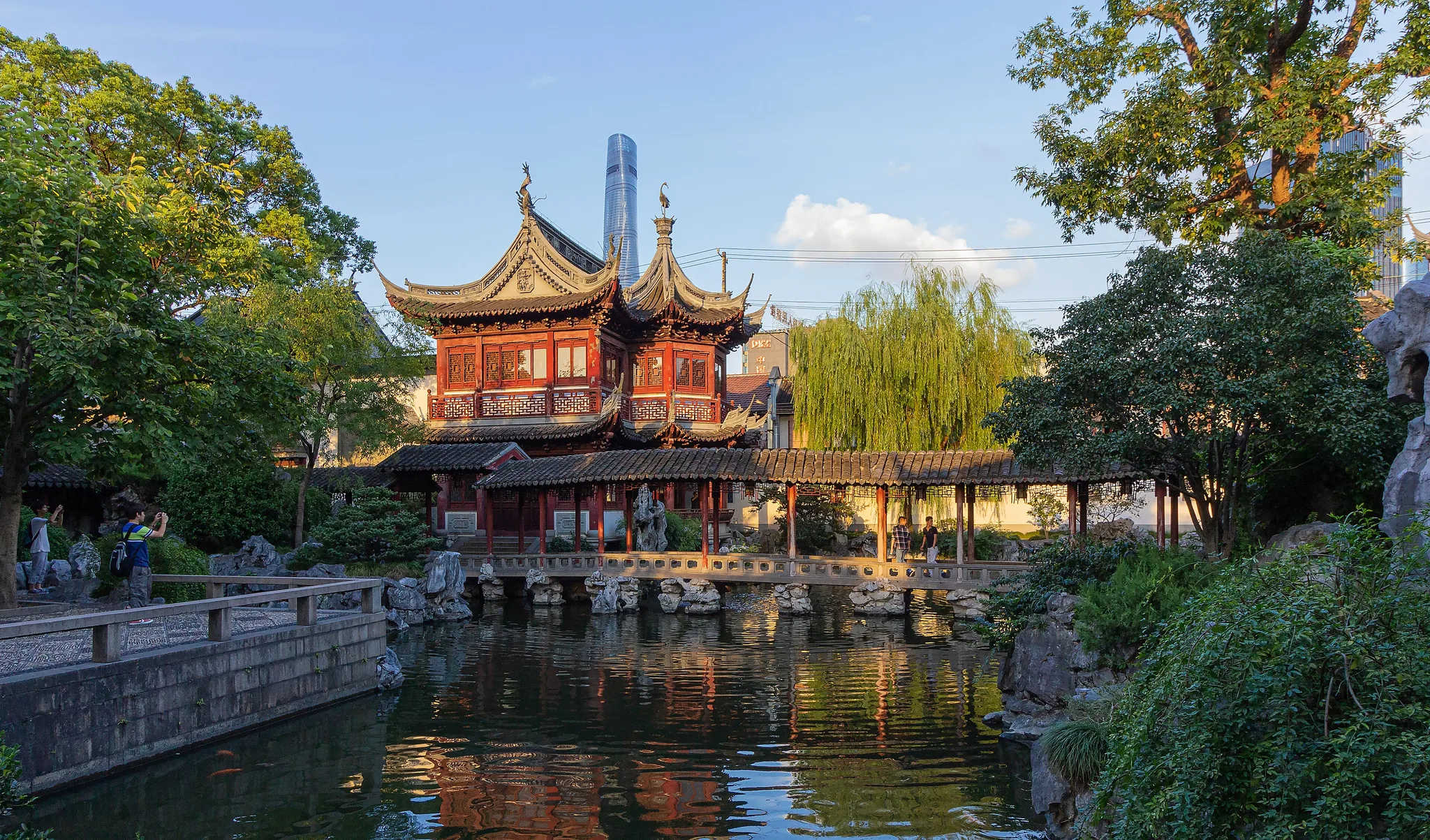
In the old city, a compact classical garden and its surrounding historic streets offer a close look at Shanghai’s traditional urban fabric.

Yu Garden
Classical Chinese garden design · A focused old-city visit
A Ming-era classical garden in Shanghai’s old city, Yu Garden unfolds through pavilions, ponds, bridges, rockeries and enclosed paths. Its uneven surfaces, steps and narrow passages make it a rewarding close-up of traditional garden design, but not an easy step-free stroll.
- Adult admission is CNY 40 in peak season (1 April–30 June and 1 September–30 November) and CNY 30 in low season (1 July–31 August and 1 December–31 March).
- Individual visitors may enter at either gate; groups must use the North Gate.
- The South Gate is at 279 Yuyuan Old Street; the North Gate is at 168 Fuyou Road.
- Paths include steps, slopes, uneven surfaces and narrow passages; continuous step-free access cannot be assumed. Toilets are available, but accessible toilets are limited.
- Pets are prohibited except guide dogs; there is no luggage storage.
Museums & culture
People’s Square anchors the city’s major museum visit, while the former French Concession adds historic streets and cultural venues.

Shanghai Museum
A special-exhibition visit · Museum-going in central Shanghai
Shanghai Museum at People’s Square is currently hosting a ticketed exhibition on the ancient Americas; the city’s major collections of Chinese bronzes, ceramics and calligraphy are at Shanghai Museum East in Pudong instead.
- The ancient Americas exhibition runs until 14 November 2027; adult admission is RMB 148, or RMB 135 on designated days.
- Book a date and session for the exhibition.
- Open 09:00–17:00, with last entry at 15:00; closed Mondays except national holidays.
Beaches & coast
The Huangpu waterfront is Shanghai’s defining public edge: broad river views, landmark architecture and a walk linking the Bund with Suzhou Creek.

The Bund
River and skyline views · Architecture walks
The Bund is Shanghai’s signature riverfront promenade, with historic Art Deco and neoclassical façades facing Pudong’s modern skyline. Walk the half-mile stretch from Yan’an Road to Suzhou Creek for the city’s most memorable contrast of old and new.
- The promenade runs about half a mile from Yan’an Road to Suzhou Creek.
Nature & outdoors
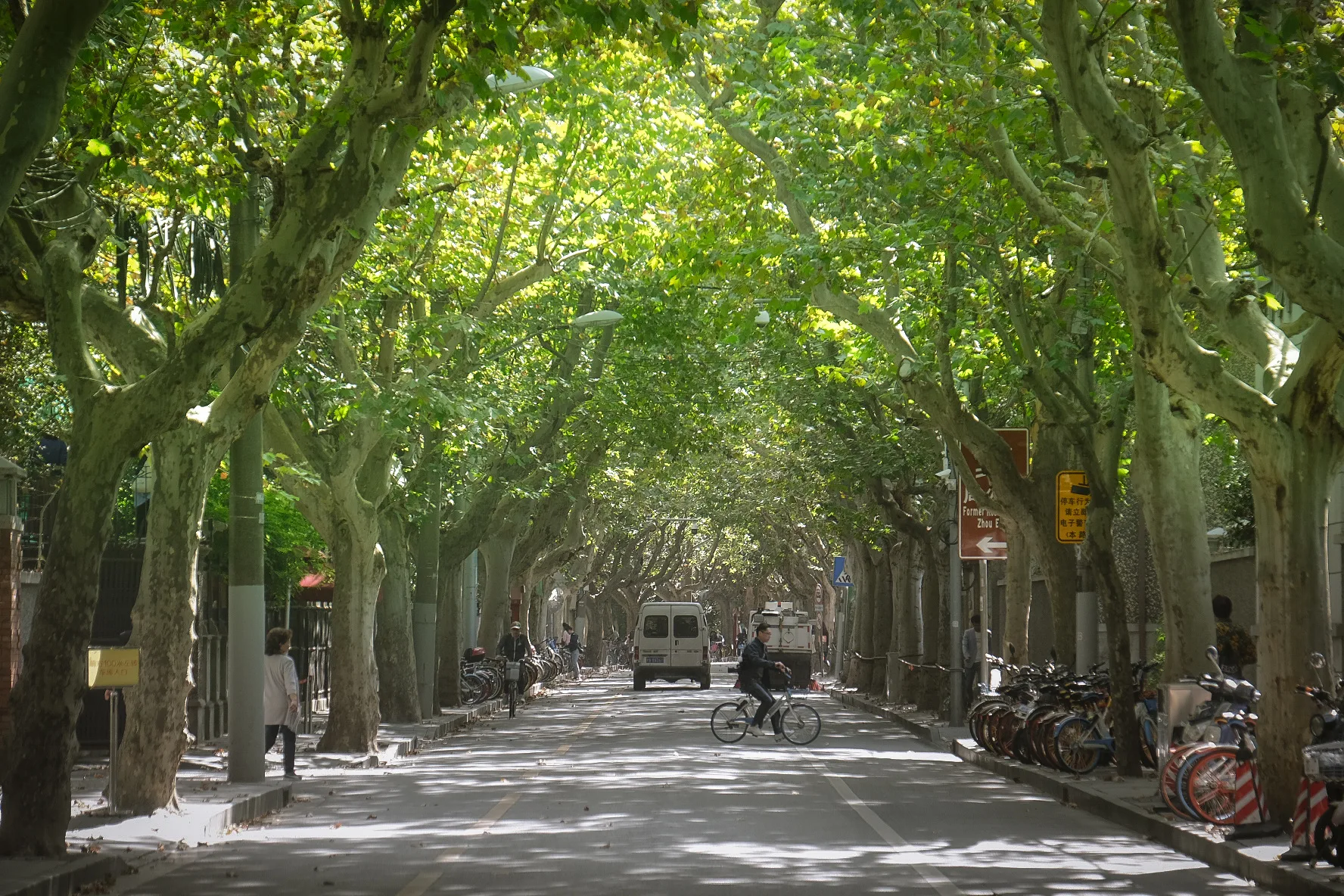
For an outdoor pause amid the city, the former French Concession’s leafy streets provide a distinctive urban walking landscape.

Nightlife & entertainment
The Peace Hotel’s jazz bar offers a classic setting for live music on the Bund.

Shanghai by area
Shanghai’s river divides the city’s classic west-bank streets from Pudong’s modern skyline. Choose the Bund and Huangpu for landmark views and central sights, the former French Concession for leafy lanes and independent cafés, or Jing’an for a mix of shopping, dining and residential calm.
- First-time visitors · Skyline and architecture lovers · Travellers who want central access to major sightsThe Bund and Huangpu put Shanghai’s historic riverfront and skyline views at the heart of a first visit. The Bund promenade, Yu Garden and Nanjing Road are within a 15-minute walk in parts of the district; East Nanjing Road and Yuyuan Garden stations provide metro links. Expect crowds around the waterfront and some of the city’s highest hotel rates; restaurants directly on the Bund are pricey.

Shanghai itineraries
A one-day route links the Old City, Bund and Pudong skyline; two days add Shanghai’s museums and leafy former French Concession; three days give the city a slower cultural day and time to explore its neighborhoods. The one-day plan suits a short visit, while two days cover the headline districts and three allow a more relaxed first visit.


Shanghai in a day: old streets, river and skyline
Best for · Short visits · First-time visitors focused on Shanghai’s headline sights
Day 1
Old City, the Bund and Lujiazui
Suggested start window · 08:30:00–09:00:00

Yu Garden
90 min here
Begin at Yu Garden, a classical garden dating from the 1550s, then explore the surrounding Old City streets and bazaar. Arrive at opening to avoid the busiest part of the day; the garden takes about an hour.
Travel to this stop:Walk

Nanjing Road
60 min here
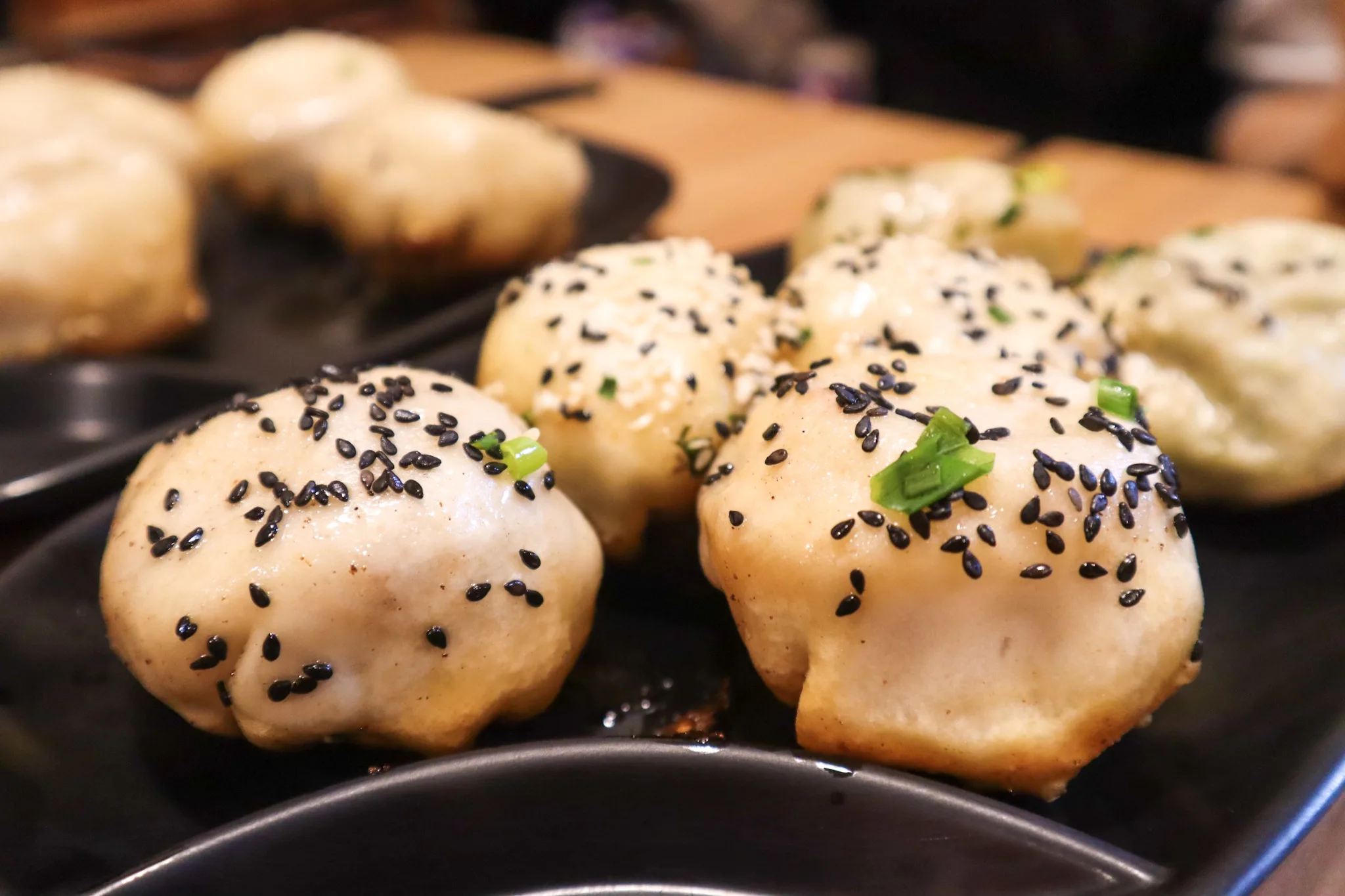
Walk Nanjing Road, the pedestrian spine running between People’s Square and the Bund. Stop for a local breakfast nearby, such as shengjianbao, Shanghai’s crisp-bottomed pan-fried pork buns.
Travel to this stop:Walk
The Bund
120 min here
Walk the waterfront promenade for views across the Huangpu to Pudong and the Bund’s early-20th-century architecture. In the evening, the skyline lights come on around 7pm in spring and autumn; the public ferry from Jinling Road East to Dongchang Road costs ¥2.
Travel to this stop:Metro

Shanghai Tower
90 min here
Cross to Pudong for the Shanghai Tower observation deck on floors 118 and 119, a high-altitude panorama of the city. The deck is open 08:30–22:00, with last entry at 21:30; a late-afternoon visit can take in daylight and dusk.
- Meal and rest pacing
- Meal break: 60 min
- Rest break: 30 min
- Planning notes
- The Old City and Bund make a long day on foot; take the metro across the river to Lujiazui.
Map shows day 1: Old City, the Bund and Lujiazui
Two days: Shanghai’s icons and old neighborhoods
Best for · First-time visitors · Travelers who want the major sights at a comfortable pace
Day 1
Old City, the Bund and Pudong
Suggested start window · 08:30:00–09:00:00
Yu Garden
90 min here
Start at Yu Garden, the 16th-century classical garden, then wander through the surrounding Old City streets and bazaar. Going at opening avoids the midday crush; allow about an hour in the garden.
Travel to this stop:Walk
Nanjing Road
60 min here
Follow Nanjing Road toward the Bund. Nearby breakfast options include shengjianbao, Shanghai’s pan-fried pork buns with crisp bottoms.
Travel to this stop:Walk
The Bund
120 min here
Walk beside the Huangpu for the historic riverfront facades and Pudong skyline. In spring and autumn the skyline lights come on around 7pm; a ¥2 public ferry from Jinling Road East to Dongchang Road gives a river crossing.
Travel to this stop:Metro
Shanghai Tower
90 min here
Take in the city from the Shanghai Tower observation deck on floors 118 and 119. It opens 08:30–22:00, with last entry at 21:30; arriving late in the afternoon gives a view across daylight, dusk and the lit skyline.
- Meal and rest pacing
- Meal break: 60 min
- Rest break: 30 min
- Planning notes
- Stay on the Old City and Puxi riverfront before crossing to Pudong, avoiding unnecessary backtracking.
Day 2
People’s Square and the former French Concession
Suggested start window · 09:30:00–10:00:00

Former French Concession
150 min here
Spend the morning walking the former French Concession’s leafy streets, with cafés, bookshops and small independent shops along routes such as Anfu, Wukang and Wuyuan roads.
Travel to this stop:Metro

Shanghai Museum
150 min here
Visit Shanghai Museum for Chinese bronzes, ceramics and calligraphy. The museum at People’s Square currently has a ticketed ancient Americas exhibition only, open 09:00–17:00 with last entry at 15:00 and closed Mondays except national holidays; adult admission is RMB 148, or RMB 135 on designated days. Shanghai Museum East in Pudong holds the Chinese collections and is free, requires no booking and is closed Tuesdays.
Travel to this stop:Metro
Tianzifang
90 min here
Finish at Tianzifang, a compact lane district of shikumen architecture and small shops, then stay nearby for dinner.
- Meal and rest pacing
- Meal break: 60 min
- Rest break: 30 min
- Planning notes
- The Shanghai Museum and Shanghai Museum East are different sites; choose the one that matches your interests and route.
Map shows day 1: Old City, the Bund and Pudong
Three days: Shanghai at an unhurried pace
Best for · First-time visitors · Travelers who want time for neighborhoods as well as headline sights
RecommendedThree full days is the most popular itinerary length for Shanghai and gives first-time visitors time for the headline sights, breaks and a slower neighborhood day.
Day 1
Old City, the Bund and Pudong
Suggested start window · 08:30:00–09:00:00
Yu Garden
90 min here
Arrive at Yu Garden near opening to explore its classical pavilions, rockeries and ponds, then walk the adjoining Old City streets and bazaar. The garden dates from the 1550s and takes about an hour.
Travel to this stop:Walk
Nanjing Road
60 min here
Walk Nanjing Road toward the riverfront; find shengjianbao nearby for a Shanghai breakfast, the pan-fried pork buns known for their crisp base.
Travel to this stop:Walk
The Bund
120 min here
Explore the Bund’s waterfront promenade and historic facades, with Pudong’s towers across the river. The skyline lighting comes on around 7pm in spring and autumn; the public ferry between Jinling Road East and Dongchang Road costs ¥2.
Travel to this stop:Metro
Shanghai Tower
90 min here
Finish across the river at the Shanghai Tower observation deck on floors 118 and 119. It is open 08:30–22:00, last entry 21:30; choose a late-afternoon slot for views in daylight and after dusk.
- Meal and rest pacing
- Meal break: 60 min
- Rest break: 30 min
- Planning notes
- Cross to Pudong once, after the Old City and Puxi riverfront.
Day 2
People’s Square and Shanghai’s museums
Suggested start window · 09:00:00–09:30:00
Shanghai Museum
180 min here
Explore Shanghai Museum’s Chinese bronzes, ceramics and calligraphy at its East Pudong site, which is free, requires no booking and is closed Tuesdays. The People’s Square building currently shows a ticketed ancient Americas exhibition only: 09:00–17:00, last entry 15:00, closed Mondays except national holidays; adult tickets are RMB 148, or RMB 135 on designated days.
Travel to this stop:Metro

Peace Hotel Jazz Bar
90 min here
End the day with jazz at the Peace Hotel, a classic Bund address and a change of pace after the museum.
- Meal and rest pacing
- Meal break: 60 min
- Rest break: 30 min
- Planning notes
- The People’s Square museum and Shanghai Museum East are separate locations; the latter is in Pudong.
Day 3
Former French Concession and Jing’an
Suggested start window · 09:30:00–10:00:00
Former French Concession
180 min here
Take a slow morning through the former French Concession’s plane-tree streets, stopping at cafés and independent shops along the way. Wukang, Anfu and Wuyuan roads make useful anchors for a neighborhood walk.
Travel to this stop:Walk

Wukang Road
90 min here
Walk Wukang Road for leafy streets, cafés and the historic neighborhood atmosphere of the former French Concession.
Travel to this stop:Metro
Jing'an Temple
90 min here
Visit Jing’an Temple, a Buddhist temple set amid the busy modern Jing’an district, then explore the surrounding streets.
- Meal and rest pacing
- Meal break: 60 min
- Rest break: 30 min
- Planning notes
- Keep this day in western Puxi rather than doubling back to the riverfront.
Map shows day 1: Old City, the Bund and Pudong
Eating in Shanghai
Shanghai’s Benbang cooking is soy-rich and gently sweet, with glossy braises, freshwater ingredients and snacks made for quick meals. Try soup dumplings and pan-fried buns alongside dishes such as red-braised pork and scallion oil noodles. Shanghainese and Jiangzhe restaurants offer sit-down meals; the city’s traditional snack shops are another way to sample local food.
What to eat
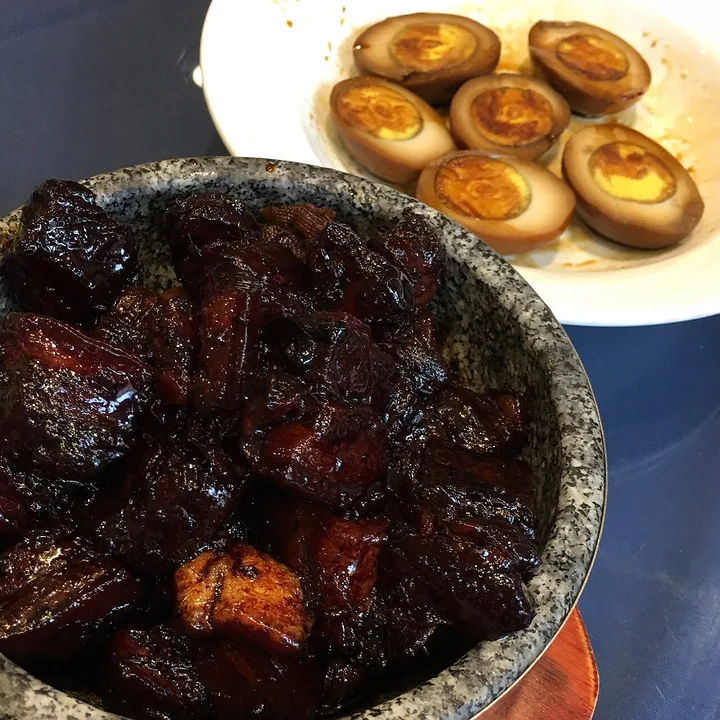
Hong shao rou
Hong shao rou is pork belly slowly braised with soy, Shaoxing wine, rock sugar, ginger and star anise until the sauce turns glossy. Share it with plain rice and a green vegetable; its richness makes it a dish to savour in small portions.
Xiaolongbao
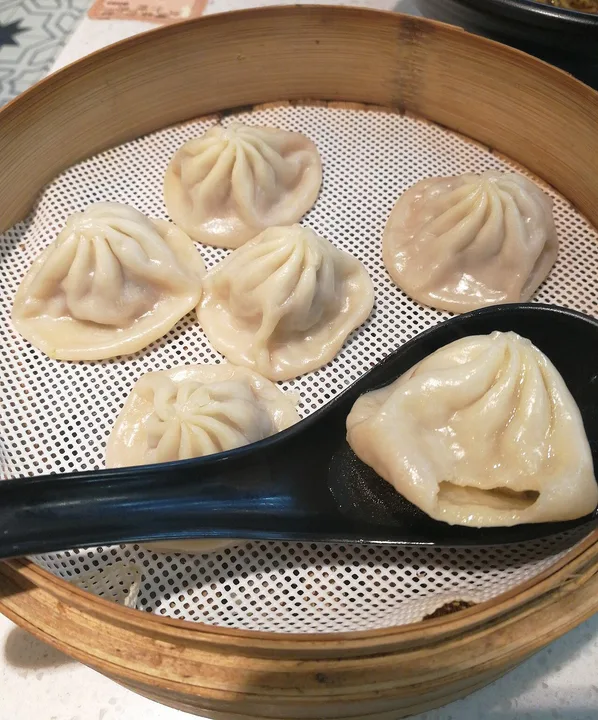
Xiaolongbao are delicate steamed pork dumplings with broth inside, made by mixing set pork stock into the filling so it melts during steaming. Eat them freshly steamed; Nanxiang Steamed Bun Restaurant is a classic place to seek them out.
Shengjianbao
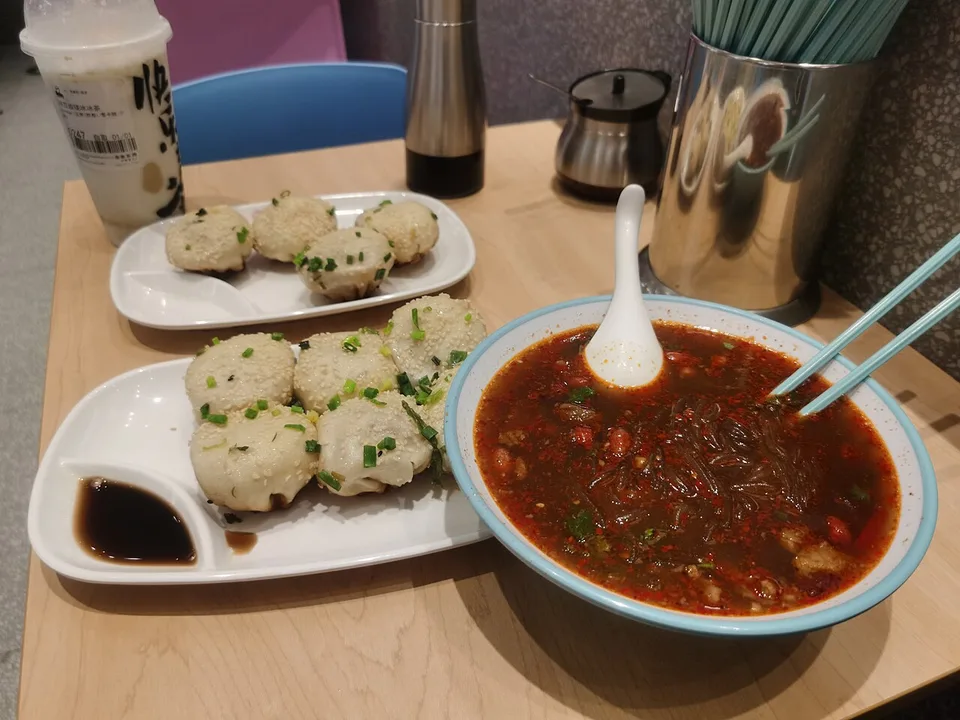
Shengjianbao are Shanghai’s pan-fried buns, filled with pork and gelatinised pork skin; the crisp golden base gives way to a juicy centre. Eat them hot, taking a small bite first to sip the broth. Yang’s Dumpling is a well-known shengjian stop.
Scallion oil noodles
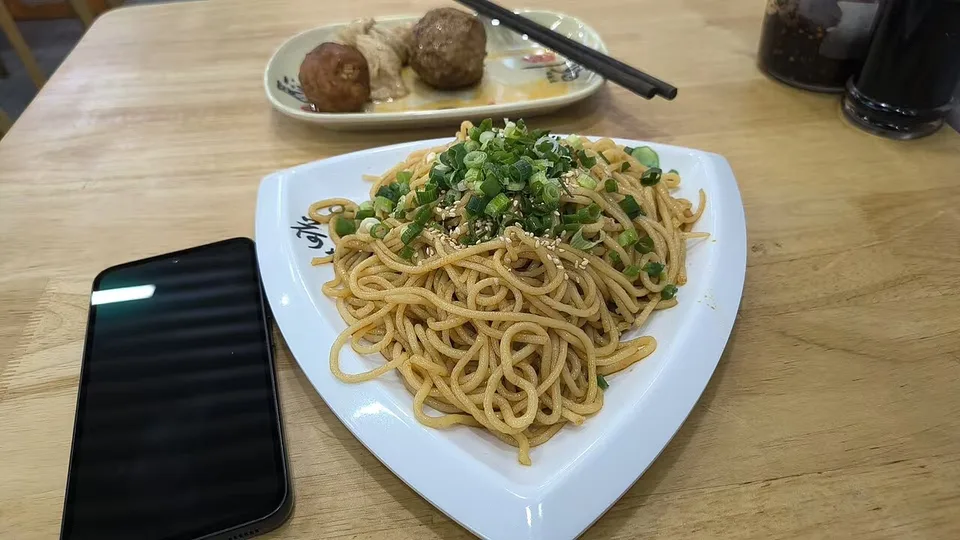
Scallion oil noodles are a simple Shanghai staple, dressed with fragrant scallion oil and a soy-based sauce in which sugar rounds out the savoury flavours. They make an easy lunch.
Eight-treasure duck
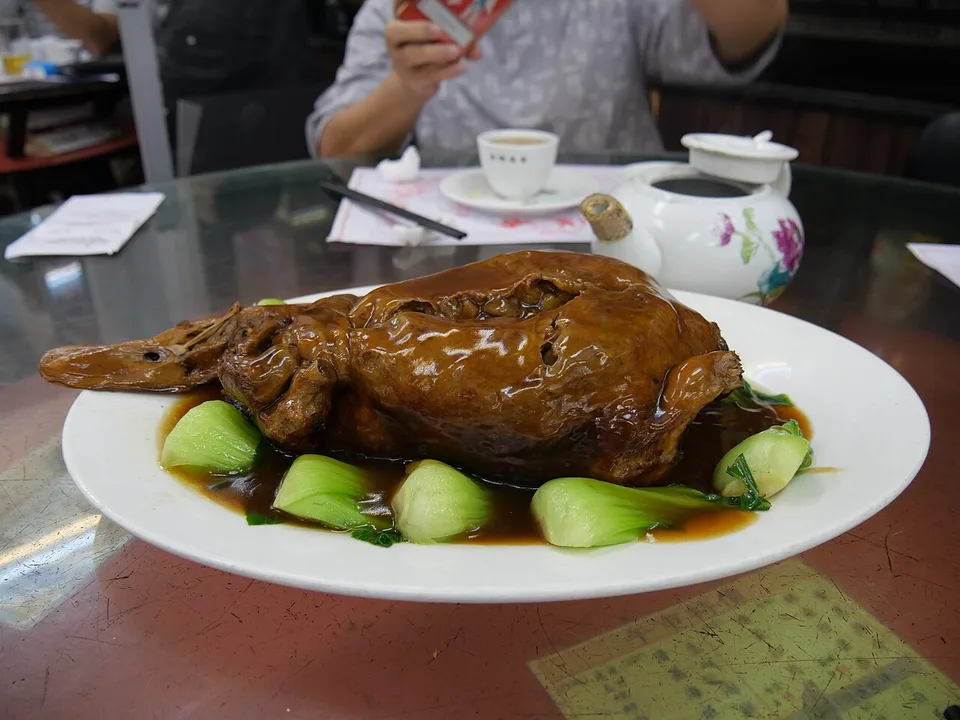
Eight-treasure duck is a celebratory Shanghai-style dish: duck stuffed with a mixture of ingredients and served as a rich centrepiece for sharing.
Where to try it

Nanxiang Steamed Bun Restaurant
venue
Nanxiang Steamed Bun Restaurant is a classic Shanghainese restaurant in the Yuyuan Garden area, closely associated with the city’s xiaolongbao tradition.

Yang's Dumpling
venue
Yang’s Dumpling is a Shanghai-style snack shop known for shengjianbao, the city’s crisp-bottomed, juicy pan-fried buns.

Lan Xin (Jinxian Road)
venue
Lan Xin (Jinxian Road) serves Shanghainese home-style cooking, a good choice for exploring the city’s traditional dishes beyond snack-shop staples.

Lu Bo Lang
venue
Lu Bo Lang serves Shanghainese cuisine near Yuyuan Garden, making it a local-food option in the historic Old Town.

Yé Shanghai
venue
Yé Shanghai is a Shanghainese restaurant for sampling the city’s local cuisine in a sit-down setting.

Chun
venue
Chun serves Shanghainese cuisine, offering another sit-down choice for the region’s soy-braised and gently sweet cooking.
Sources (8)
- 'Xiaolongbao': A small dumpling with a big story_Local Flavors
- Best Food Streets in Shanghai | Shanghai Tourism Guide
- Taste Your Way Through Shanghai: Food, coffee, and vibrant neighborhoods-The Official Shanghai China Travel Website
- Shanghai Street Food: What to Eat & Where (2026 Guide)
- Pan-Fried Buns
- Shanghai Budget Travel Guide: Complete 2026 Guide
- Shanghainese Cuisine Dishes | Shanghai Tourism Guide
- Explore Shanghai's culinary heritage: Iconic dishes and delicacies
Shanghai’s living culture
Shanghai’s culture comes into focus in its food, its Jiangnan garden traditions and its seasonal festivals. Lunar New Year lanterns and Mid-Autumn mooncakes offer especially vivid ways to encounter local customs.
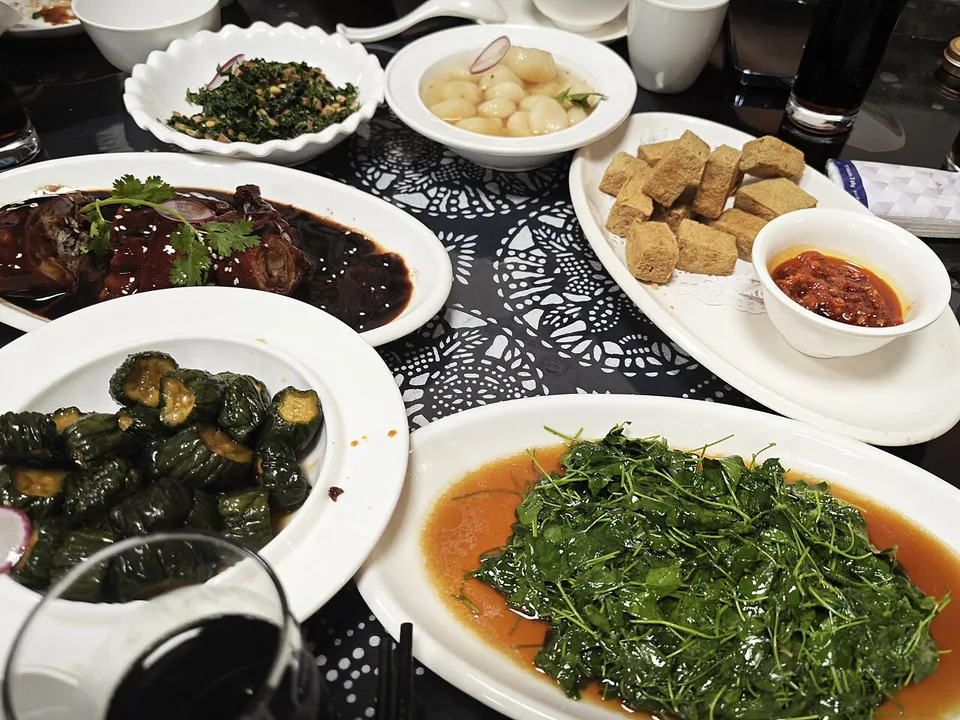
A cuisine shaped by migration
Benbang cai began as the home cooking of Shanghai county, built around river fish, pork and preserved vegetables. Later arrivals brought new ingredients and techniques: the sweetness associated with Shanghai cooking owes much to Suzhou and Wuxi, while Huaiyang refinement shaped its richer local style. Western influence also became part of everyday eating; try luo song tang, a locally adapted tomato-and-beef soup, or zha zhu pai, a breaded pork cutlet served with a dark, Worcestershire-style sauce.
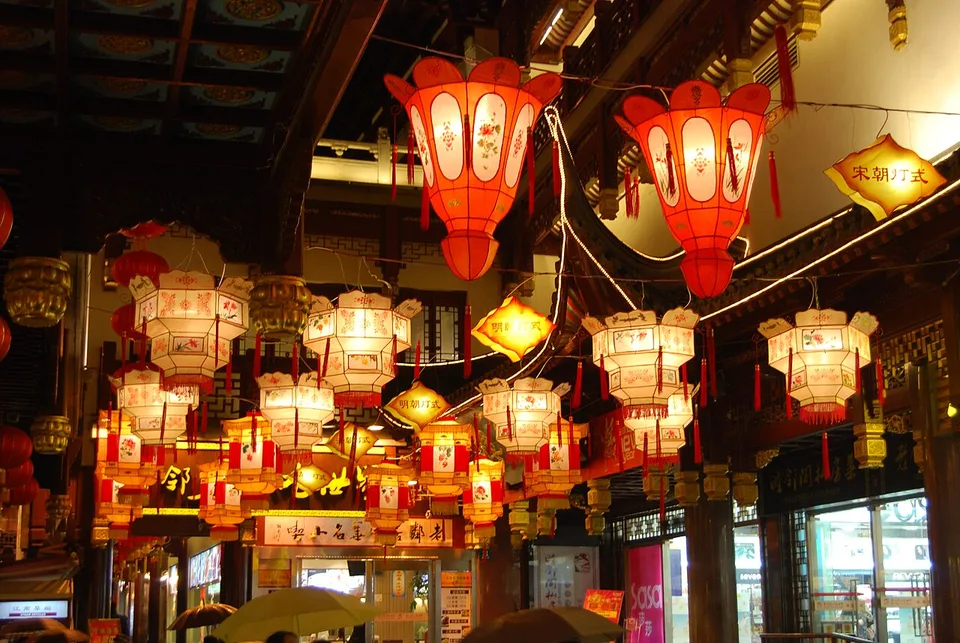
Lanterns for the Lunar New Year
The Yuyuan Lantern Festival has been a Shanghai New Year tradition since 1995. For about five weeks around Chinese New Year, lantern displays brighten the Old City and waterfront, traditionally ending on the Lantern Festival, the fifteenth day of the first lunar month. The central folk-art zone is ticketed; free displays extend through Gucheng Park, Middle Fangbang Road, Fuyou Road, the BFC and the Bund.
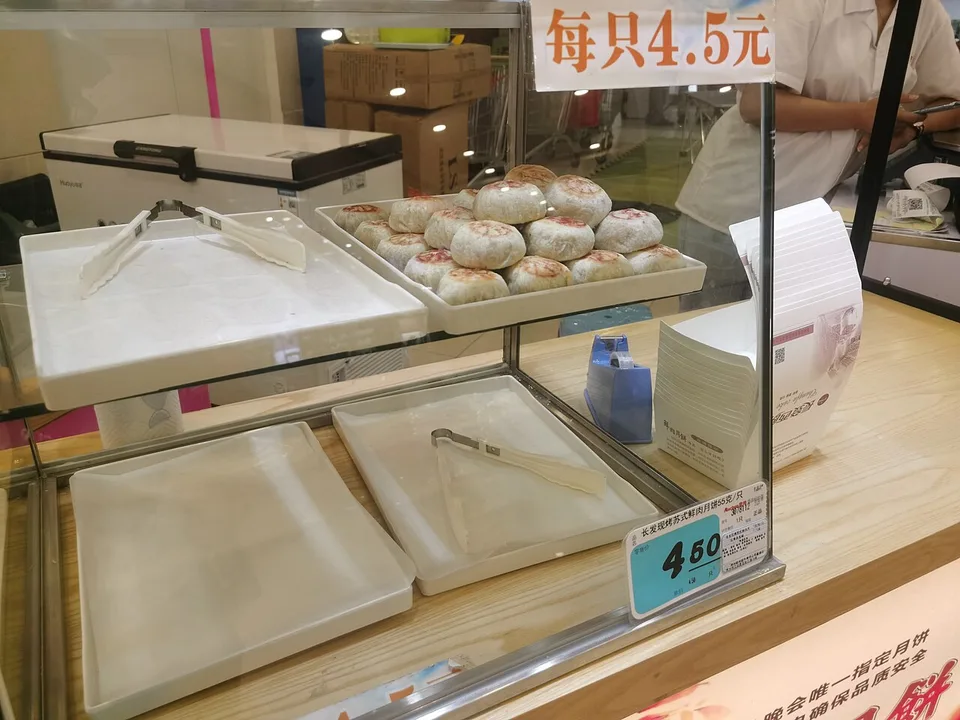
Mooncakes and Mid-Autumn Festival
Mid-Autumn Festival brings moon-viewing, lanterns and mooncakes. Shanghai’s savoury fresh-meat mooncakes are a local favourite: flaky Suzhou-style pastry gives way to a savoury filling. Bakeries sell them from late August, and Yu Garden puts on lantern displays for the festival.
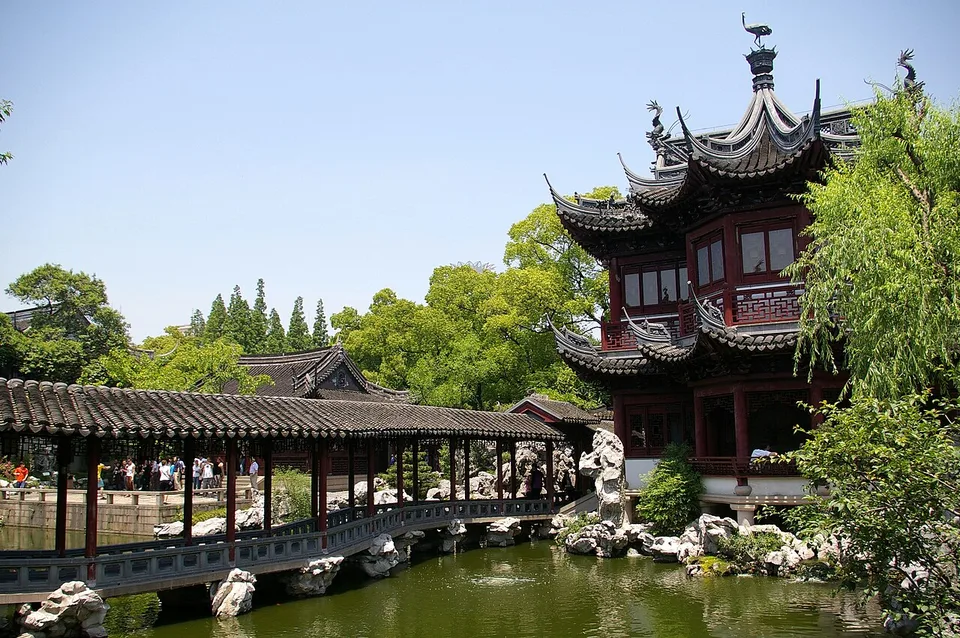
Jiangnan garden arts at Yu Garden
Yu Garden brings the traditions of Jiangnan garden design into the heart of Shanghai’s Old City. Built from 1559 by Pan Yunduan for his father, it uses pavilions, ponds, zigzag bridges and rockeries to create a sequence of distinct garden spaces. The grounds also hosted public performances in the Ming era, and Dianchun Hall was designed for music—an enduring reminder that the garden was made for cultural life as well as contemplation.
Getting around Shanghai
Shanghai Pudong International Airport (PVG), 32 km from the city, handles international and domestic flights; Shanghai Hongqiao International Airport (SHA), 14 km away, is western Shanghai’s main domestic and regional hub. The metro is the most useful way to cross the city, with contactless bank-card taps accepted across the network. Buses, taxis and stored-value cards add flexibility.
Main airports
- PVG
Shanghai Pudong International Airport
214 nonstop103 international
- SHA
Shanghai Hongqiao International Airport
88 nonstop5 international
Metro
Best for
Crossing the city · Airport journeys · Visitors who prefer contactless payment
Fares start at ¥3 for up to 6 km, then rise by ¥1 for each additional 10 km. Eligible contactless UnionPay, Visa, Mastercard, American Express and JCB cards, e-CNY hardware wallets and Shanghai Public Transportation Cards are accepted at gates. Transport cards and eligible QR codes receive a ¥1 transfer discount within 120 minutes of a bus ride and a 10% metro discount after spending more than ¥70 in a calendar month.
- Tap the same bank card or wallet at entry and exit; using different cards leaves the journey incomplete and requires staff assistance.
- Enable password-free payment for small transactions and ensure the card or wallet has sufficient funds or credit.
- Metro platforms are signed in English.
Transit cards and passes
Best for
Several metro trips in one day · Visitors combining metro, buses and ferries · Travellers who want to avoid buying single tickets
The one-day metro pass costs ¥18 and the three-day pass costs ¥45. A Shanghai Public Transportation Card requires a ¥20 deposit plus a top-up. The Suishenxing app supports Alipay, WeChat Pay, UnionPay QuickPass and linked international bank cards, and sells one-, three- and seven-day passes.
- The one-day pass covers unlimited rides during operating hours within 24 hours of first entering a station; it excludes the Maglev and suburban railway lines opened in or after 2024.
- The three-day pass covers unlimited rides during operating hours within 72 hours of first entering a station; it excludes the Maglev and suburban railway lines opened in or after 2024.
- The passes are not collected at exit gates.
Airport rail: metro and Maglev
Best for
Getting between Pudong Airport and central Shanghai · Travellers choosing between a low-cost ride and a faster connection
Metro Line 2 from Pudong Airport to People’s Square costs about ¥7. A Maglev ticket costs ¥50, or ¥40 with a same-day incoming-flight boarding pass. The Maglev and metro through-ticket costs ¥55.
- Line 2 runs directly from Pudong Airport Terminals 1 and 2 to People’s Square in about one hour.
- The Maglev ride to Longyang Road takes about eight minutes; transfer there to Metro Line 2 for the city centre.
Buses
Best for
Getting around Hongqiao Airport · Travellers whose route is served by a direct bus
- Twelve bus routes serve Hongqiao Airport.
Taxis
Best for
Direct airport-to-hotel journeys · Travellers carrying luggage
A taxi from Hongqiao Airport to the city centre costs about ¥100–150. A ride from Pudong Airport to People’s Square costs around ¥180.
- Hongqiao Airport to the city centre takes around 30 minutes, depending on traffic.
- Pudong Airport to People’s Square takes around 50 minutes.
High-speed trains to Suzhou
Best for
A day trip to Suzhou, 82 km from Shanghai · Travellers heading to Suzhou’s old town and gardens
Second class is usually around RMB 40 one way; first class is roughly RMB 65–80. Tickets can be booked through Trip.com or the 12306 app; both accept foreign passports and card or mobile-wallet payment.
- The ride takes about 30 minutes, though journey times vary by service.
- Trains run frequently through the day between Shanghai Hongqiao and Suzhou.
- Choose Suzhou Railway Station for convenient access to the old town; Suzhou North is farther out.
- Fast morning departures and popular evening returns can sell out; services around public holidays may require earlier booking.
Airport transfer
From Pudong Airport, Metro Line 2 runs directly to People’s Square for about ¥7. The Maglev runs to Longyang Road, where you can transfer to Line 2. From Hongqiao Airport, Metro Lines 2 and 10 connect with the city; taxis are available from both airports.
Metro Line 2 from Pudong to People’s Square takes about one hour; a taxi takes around 50 minutes. Hongqiao to the city centre by taxi takes around 30 minutes.

Shanghai through the seasons
Spring and autumn are the easiest seasons for exploring Shanghai on foot. Summer is hot, humid and rainy; winter is cold and damp. Seasonal flowers, autumn leaves and hairy crab add reasons to time a visit, while public holidays bring heavy crowds and travel demand. Holiday dates shift from year to year.
Yu Garden Lantern Festival
The Yu Garden Lantern Festival usually opens a few weeks before Chinese New Year and runs to Lantern Festival night, the fifteenth day of the lunar new year. The lantern zone closes on Chinese New Year’s Eve.
Spring Festival (Chinese New Year)
Spring Festival brings nine days off, 5–13 February. High-speed trains and popular sights are heavily crowded, while many independent businesses may close for one to two weeks around Chinese New Year.
Spring
March to May brings mild walking weather, typically about 11 to 21 °C, with chilly mornings, warm afternoons and frequent light drizzle. A light jacket and umbrella suit the changing conditions.
Cherry Blossoms
Cherry blossoms appear around Hongkou Football Stadium in March, adding spring colour to the city.
Labour Day Holiday
Labour Day runs 1–5 May, bringing high travel demand. Popular attractions and transport are busier, and high-speed rail can sell out weeks in advance.
Summer
June to August is hot and humid, with afternoon thunderstorms. Plum rain usually runs from mid-June to early July, bringing prolonged rain or cloud; July and August are especially hot. Favour outdoor plans in the morning and indoor sights in the afternoon.
Dragon Boat Festival
Dragon Boat Festival falls on 9 June, a moderate crowd period for travel and sightseeing.
Autumn
September to November cools from about 25 °C in early autumn to about 15 °C by late autumn. Typhoon season peaks from late August to mid-September, with strong winds and heavy rain. Hairy crab is in season from mid-September through November, peaking in October and early November; plane trees turn yellow and shed their leaves in November.
Mid-Autumn Festival
Mid-Autumn Festival falls on 15 September, a moderate crowd period.
Hairy Crab Season
Hairy crab is in season from mid-September through November, peaking in October and early November. Its seasonal harvest makes autumn a particularly appealing time for food lovers.
National Day Golden Week
National Day Golden Week runs 1–7 October and is one of Shanghai’s busiest travel periods: hotel rates rise, the Bund promenade is packed and popular attractions draw large crowds. Bullet trains to Suzhou and Hangzhou need booking early.
Plane-Tree Autumn Colour
Shanghai’s plane trees turn yellow and shed their leaves in November, bringing autumn colour to the city’s streets.
Winter
December to February is cold and damp, with average temperatures of 3 to 11 °C. The coldest spell is typically late January to early February, when sharp north winds make warm layers, gloves, a scarf and a hat useful. Heating varies by building, so choose a winter room with working heating.
Historical climate
Compare typical monthly heat and rainfall at a glance. These long-term patterns are useful for planning, but they are not a forecast.
View monthly climate data
| Month | Temperature | Rainfall | Humidity | Wind | Wet-day frequency |
|---|---|---|---|---|---|
| January | 4.5 °CTypical range: 3.3–5.9 | 65.3 mm/monthTypical range: 35.8–112.5 | 77.9 %Typical range: 73–82.3 | 4.8 m/sTypical range: 4.4–5.3 | 28.4 % of daysTypical range: 19–39 |
| February | 6.1 °CTypical range: 4.2–7.7 | 66 mm/monthTypical range: 18.8–123.6 | 78.2 %Typical range: 70.8–83.8 | 4.9 m/sTypical range: 4.4–5.3 | 32.6 % of daysTypical range: 16.9–55.4 |
| March | 9.8 °CTypical range: 8.5–11.2 | 94.5 mm/monthTypical range: 39.2–152.1 | 78.1 %Typical range: 73.6–83.7 | 5.1 m/sTypical range: 4.7–5.6 | 38.4 % of daysTypical range: 22.3–49.4 |
| April | 15.3 °CTypical range: 14.3–16.6 | 85.1 mm/monthTypical range: 45.4–120 | 76.7 %Typical range: 71.3–81.5 | 5 m/sTypical range: 4.6–5.5 | 34.9 % of daysTypical range: 23.3–50.3 |
| May | 20.7 °CTypical range: 19.6–21.9 | 98.8 mm/monthTypical range: 44.6–147.4 | 75.8 %Typical range: 69.4–80.7 | 5 m/sTypical range: 4.5–5.5 | 34.6 % of daysTypical range: 22.3–48.4 |
| June | 24.5 °CTypical range: 23.6–25.8 | 197 mm/monthTypical range: 103.2–341.4 | 80.4 %Typical range: 76.2–85.5 | 4.6 m/sTypical range: 4.3–5 | 52.2 % of daysTypical range: 39.7–70 |
| July | 28.3 °CTypical range: 26.9–29.4 | 134.6 mm/monthTypical range: 58–196.2 | 81.3 %Typical range: 75.2–85.2 | 4.7 m/sTypical range: 4–5.4 | 45.1 % of daysTypical range: 25.5–61.6 |
| August | 28.4 °CTypical range: 26.8–29.5 | 162.8 mm/monthTypical range: 52.3–258.8 | 79.7 %Typical range: 74.4–84.3 | 5 m/sTypical range: 4–6 | 47.4 % of daysTypical range: 28.7–68.1 |
| September | 24.5 °CTypical range: 23.6–25.4 | 114.7 mm/monthTypical range: 29.5–193.4 | 77.4 %Typical range: 71.3–81.4 | 4.9 m/sTypical range: 4.3–5.6 | 36.7 % of daysTypical range: 22.7–50 |
| October | 19.2 °CTypical range: 18.1–20.3 | 69.6 mm/monthTypical range: 16.8–134.5 | 75.1 %Typical range: 69.7–80 | 4.7 m/sTypical range: 4–5.4 | 22.8 % of daysTypical range: 9.7–29.4 |
| November | 13.5 °CTypical range: 11.8–15.1 | 60.9 mm/monthTypical range: 14.1–113.7 | 76.2 %Typical range: 70.1–82 | 4.6 m/sTypical range: 4.2–5.2 | 28.3 % of daysTypical range: 10–43.7 |
| December | 7 °CTypical range: 5.5–8.7 | 43.6 mm/monthTypical range: 11.5–91.8 | 75.9 %Typical range: 69.7–81 | 4.7 m/sTypical range: 4.3–5.5 | 21.7 % of daysTypical range: 6.5–42.6 |
Baseline: 1991–2020 · Source: NASA POWER historical climate profile
Sources (8)
- NASA POWER historical climate profile
- Shanghai Festivals Calendar 2026 | Shanghai Tourism Guide
- Yu Garden Lantern Festival: Dates & Tickets | Shanghai Tourism Guide
- Best time to visit Shanghai: weather, holidays and crowds
- Golden Week Shanghai: Worth Visiting? | Shanghai Tourism Guide
- Yuyuan Lantern Festival 2027: Dates, Tickets & Tips | YuGarden.org
- Yuyuan Lantern Festival, Shanghai · GoTerraVoya
- Shanghai's weather: A guide to the city's four seasons
Shanghai: crowds, bookings and practical cautions
Shanghai’s busiest stretch is Golden Week, the National Day holiday in the first week of October; crowds also concentrate at major sights and on central metro lines. Set up payments and internet access before arrival, and reserve the few attractions and train journeys that can sell out.
Golden Week, in the first week of October, brings heavy domestic travel, higher hotel rates and dense crowds at major sights.
Avoid it for a quieter visit; the days immediately around the holiday also see strong transport demand.
The Bund promenade can become so crowded during Golden Week that police direct pedestrians one way.
Shanghai Tower’s observation-deck lift queues grow at peak times.
Line 2 and Line 10 through central Shanghai can be crowded throughout Golden Week, not just at rush hour; at People’s Square, let a full train go rather than forcing your way aboard.
Yu Garden and its bazaar draw large holiday crowds, and the garden limits admissions.
Arrive at opening or choose another time.
Shanghai costs
Shanghai offers inexpensive street food and metro travel alongside a wide range of places to stay and paid sights. Costs rise with hotel comfort, restaurant dining and premium experiences. Prices below are in Chinese yuan; international flights are not included.
Budget
CN¥170–250per person per day
A hostel dorm, street-food or convenience-store meals and metro rides keep spending low, with free city walks in place of paid attractions.
Mid-range
CN¥1,000–2,000per person per day
A proper hotel room, restaurant dinners, a mix of metro and occasional taxis, and several paid sights distinguish this tier from hostel-based travel.
Luxury
CN¥2,677per person per day
Luxury hotels, fine dining and premium experiences take the place of the more modest rooms and meals of lower-cost travel.
Typical costs
- Street-food meal
- CN¥30–60per person
- Inexpensive meal
- CN¥20–40per person
- Mid-range meal for two
- CN¥80–160
- Metro fare, up to 6 km
- CN¥3per trip
- Three-day metro pass
- CN¥45
- One-day metro and Maglev pass
- CN¥55–85
- Jin Mao Tower 88th-floor admission
- CN¥120per person
- Hostel dorm bed
- CN¥80–250per night
- Private hostel or guesthouse room
- CN¥250–500per room per night
- Three-star or boutique double room
- CN¥400–800per room per night
Ways to save
- Take the ¥2 Huangpu River ferry for Bund and Pudong skyline views instead of cruise tours costing ¥120 or more.
- Build a sightseeing day around free walks at the Bund, Nanjing Road, Wukang Road and the old-city lanes around Yu Garden.
- For frequent metro rides over three days, the ¥45 pass covers unlimited travel within 72 hours of first entering a station, excluding the Maglev and newer suburban railway lines.
- If you plan to ride the Maglev, the combined pass costs ¥55 for a single trip or ¥85 for a round trip and includes unlimited metro rides within 24 hours.
- Visit Jin Mao Tower’s 88th-floor observation hall between 8:30 am and 5 pm for half-price admission; students need a valid student ID.
- Choose noodles or rice sets at local restaurants for ¥20–30 instead of eating at Western chains.
Sources (6)
- How Much Does a Day in Shanghai Cost in 2026? - Travel Of China
- Shanghai Trip Cost (2026): CN¥337–CN¥2,021 per Day
- Shanghai Travel Cost - Average Price of a Vacation to Shanghai: Food & Meal Budget, Daily & Weekly Expenses | BudgetYourTrip.com
- How Much Does a Shanghai Trip Cost? 2026 Budget
- Shanghai attractions offer tourism festival discounts
- Metro _Travel Your Way
Where to stay in Shanghai
Shanghai’s hotels range from historic Bund landmarks and design-led stays in the former French Concession to high-rise retreats in Pudong. Choose the Bund for Art Deco character and riverfront setting, central districts for easy access to the city’s main streets, or Pudong for skyline views. Qiantan and Songjiang suit travellers seeking a newer district or a distinctive stay beyond the central core.
01
Premium
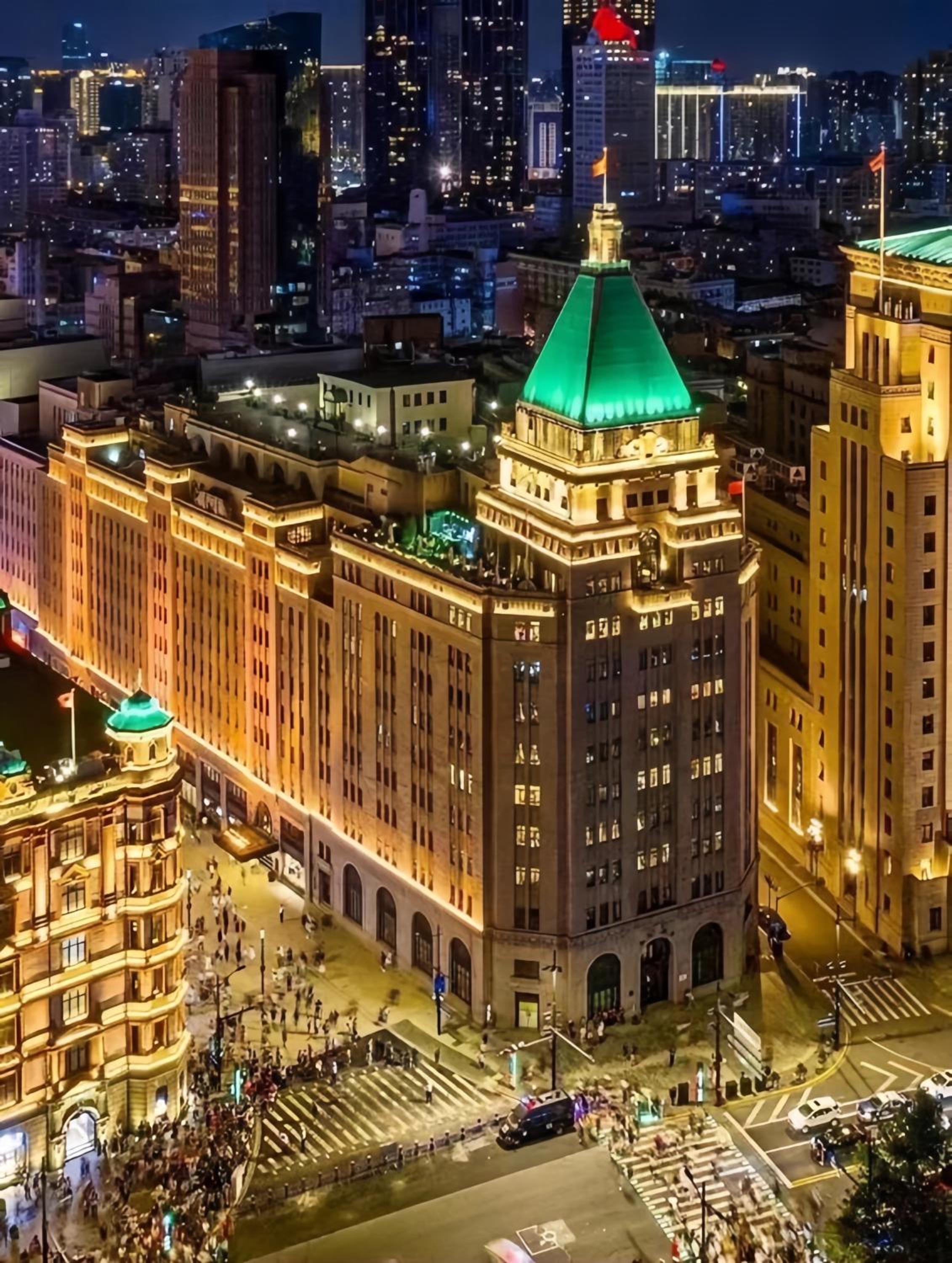
Fairmont Peace Hotel in Shanghai
Travellers drawn to Art Deco architecture · Visitors wanting a landmark Bund address
Fairmont Peace Hotel occupies the former Sassoon House, a celebrated Art Deco building where the Bund meets Nanjing Road. Stay here for a historic Shanghai setting paired with the comforts of a modern luxury hotel.
- Why it stands out
- Historic 1920s Art Deco building · At the junction of the Bund and Nanjing Road
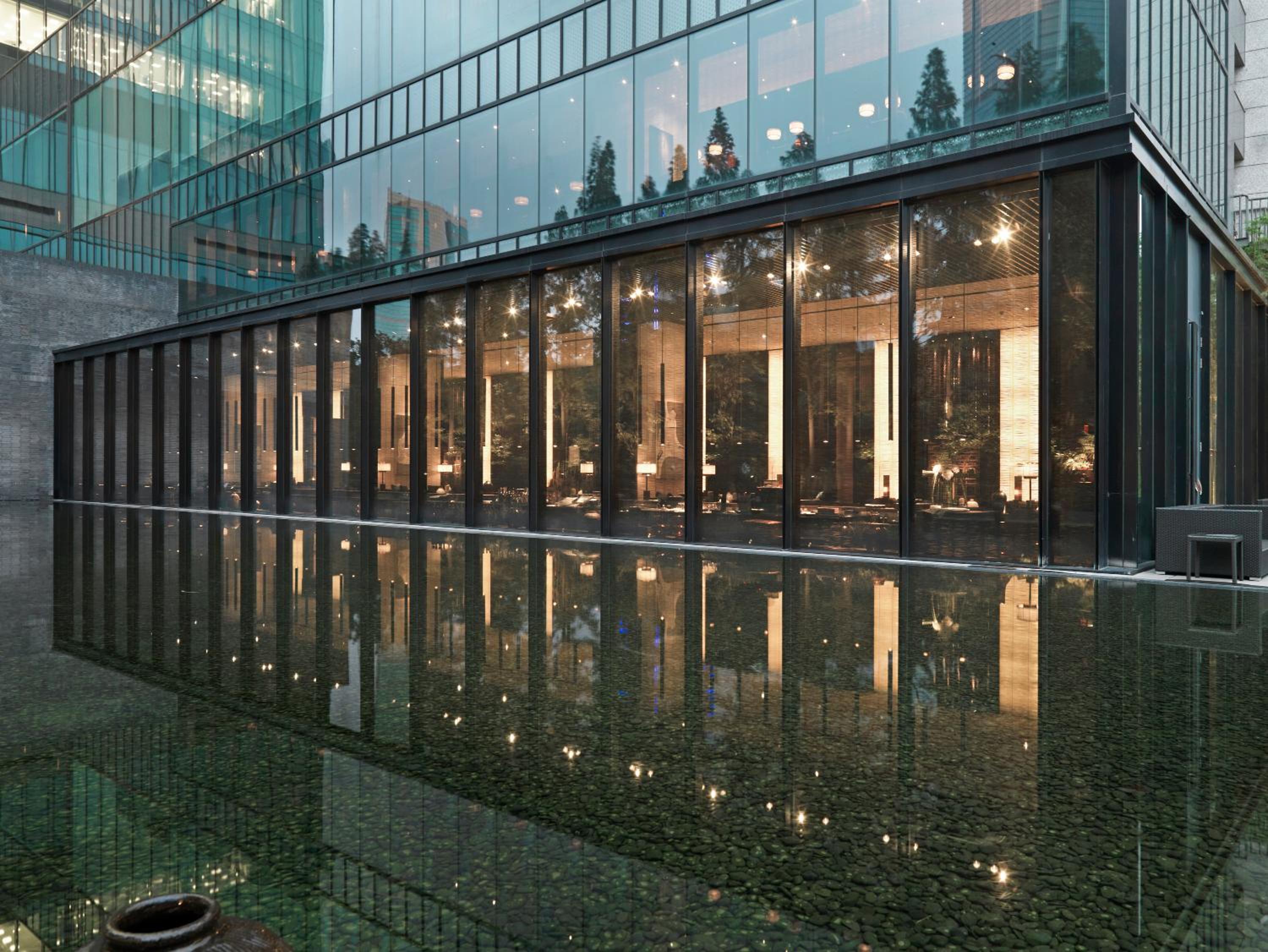
The PuLi Shanghai in Shanghai
Travellers seeking a contemporary luxury stay · Visitors who prefer a tranquil design atmosphere
The PuLi Shanghai brings a calm, design-led atmosphere to a central urban setting. It offers a quieter-feeling alternative to the grand historic hotels and high-rise stays elsewhere in the city.
- Why it stands out
- Distinctive, design-led identity · A calmer alternative to traditional grand hotels
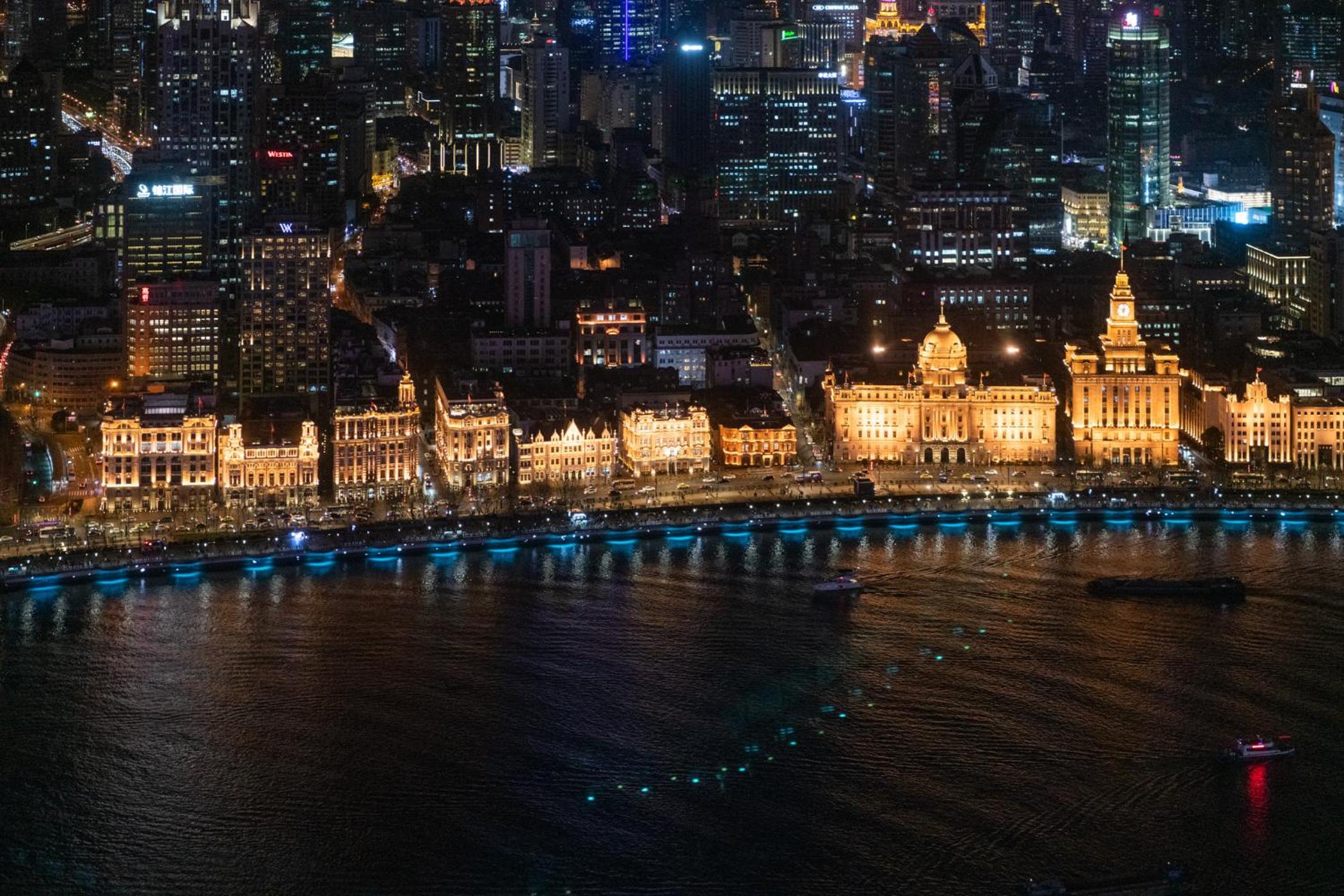
The Ritz-Carlton Shanghai Pudong in Shanghai
Travellers keen on Pudong’s skyscraper district · Visitors who want a skyline-facing hotel
The Ritz-Carlton Shanghai Pudong stands beside IFC Mall in Lujiazui, facing the Oriental Pearl Tower. Its Pudong location and high-floor Flair bar make it a strong choice for taking in the district’s skyline.
- Why it stands out
- Lujiazui location by IFC Mall · Faces the Oriental Pearl Tower · Flair bar offers elevated city views

The Peninsula Shanghai
Travellers who value grand hotel architecture · Visitors wanting to stay on the Bund
The Peninsula Shanghai brings grand Art Deco style to the Bund, with a soaring marble-clad lobby and a riverfront address on Zhongshan Dong Yi Road. It suits visitors seeking a classic luxury stay in one of Shanghai’s most historic settings.
- Why it stands out
- Bund location · Impressive Art Deco lobby
02
Mid-range
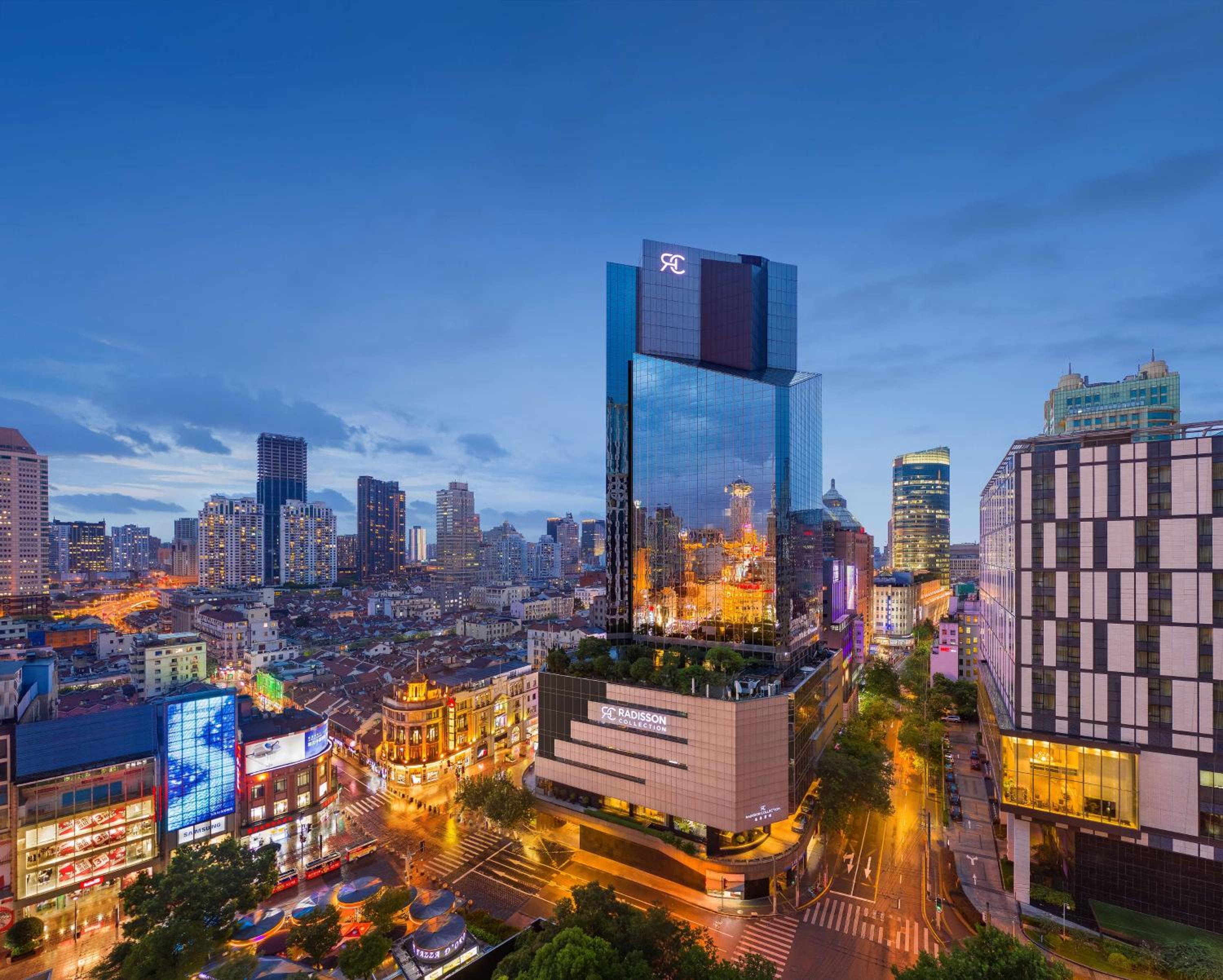
Radisson Collection Hyland Shanghai
Visitors combining shopping with sightseeing · Travellers seeking a central commercial-district base
Radisson Collection Hyland Shanghai sits on Nanjing Road East in the city’s commercial district. Its central position makes it a useful base for visits to the historic Bund and the city’s main shopping street.
- Why it stands out
- Nanjing Road East address · Near the historic Bund
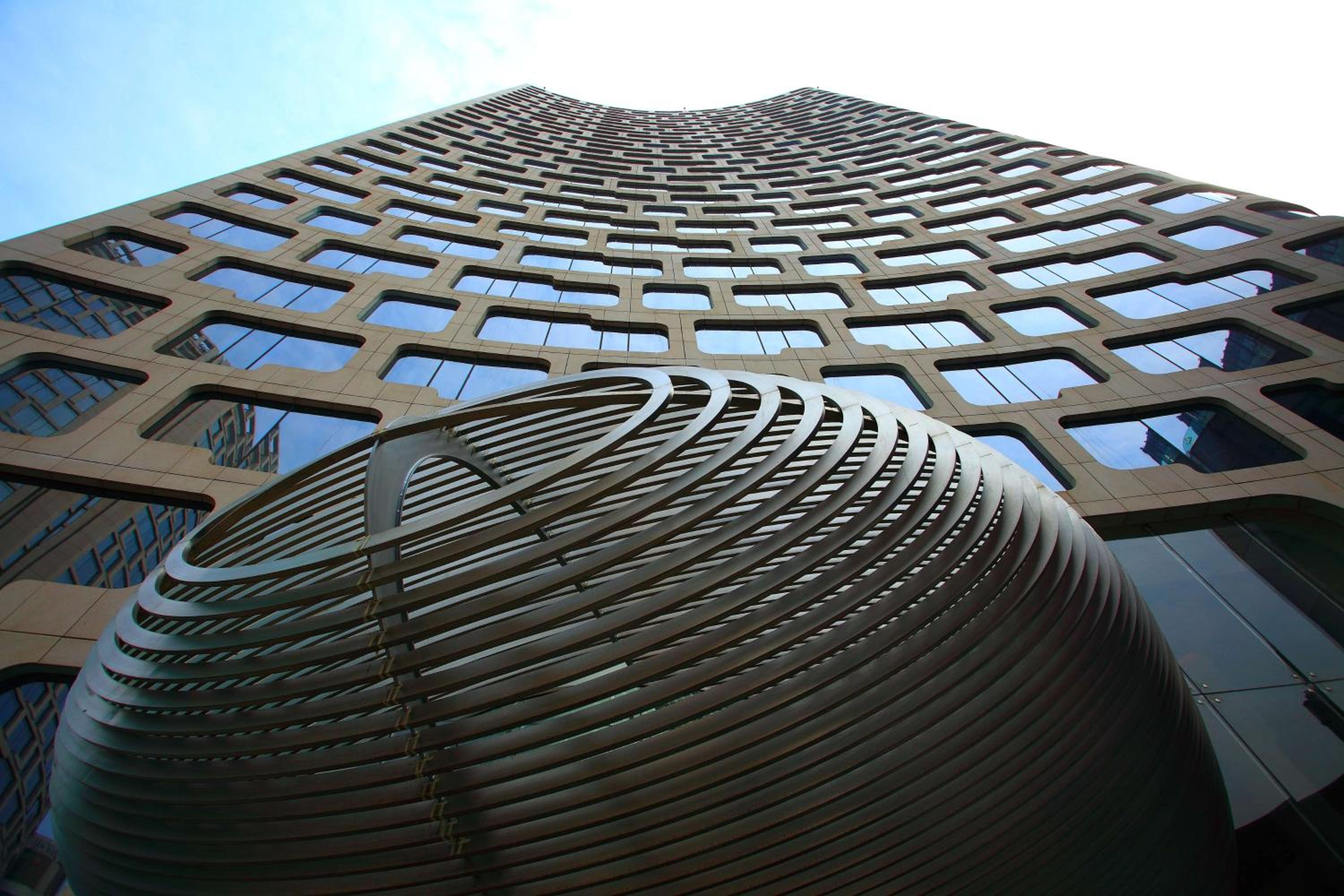
Andaz Xintiandi, Shanghai in Shanghai
Travellers who want to stay in Xintiandi · Visitors who value nearby metro access
Andaz Xintiandi, Shanghai is a design-focused hotel in Xintiandi, a district of restored shikumen lanes, shops and restaurants. Its location near Xintiandi and South Huangpi Road metro stations helps make exploring the city straightforward.
- Why it stands out
- In the heart of Xintiandi · Near two metro stations · Indoor pool and fitness centre
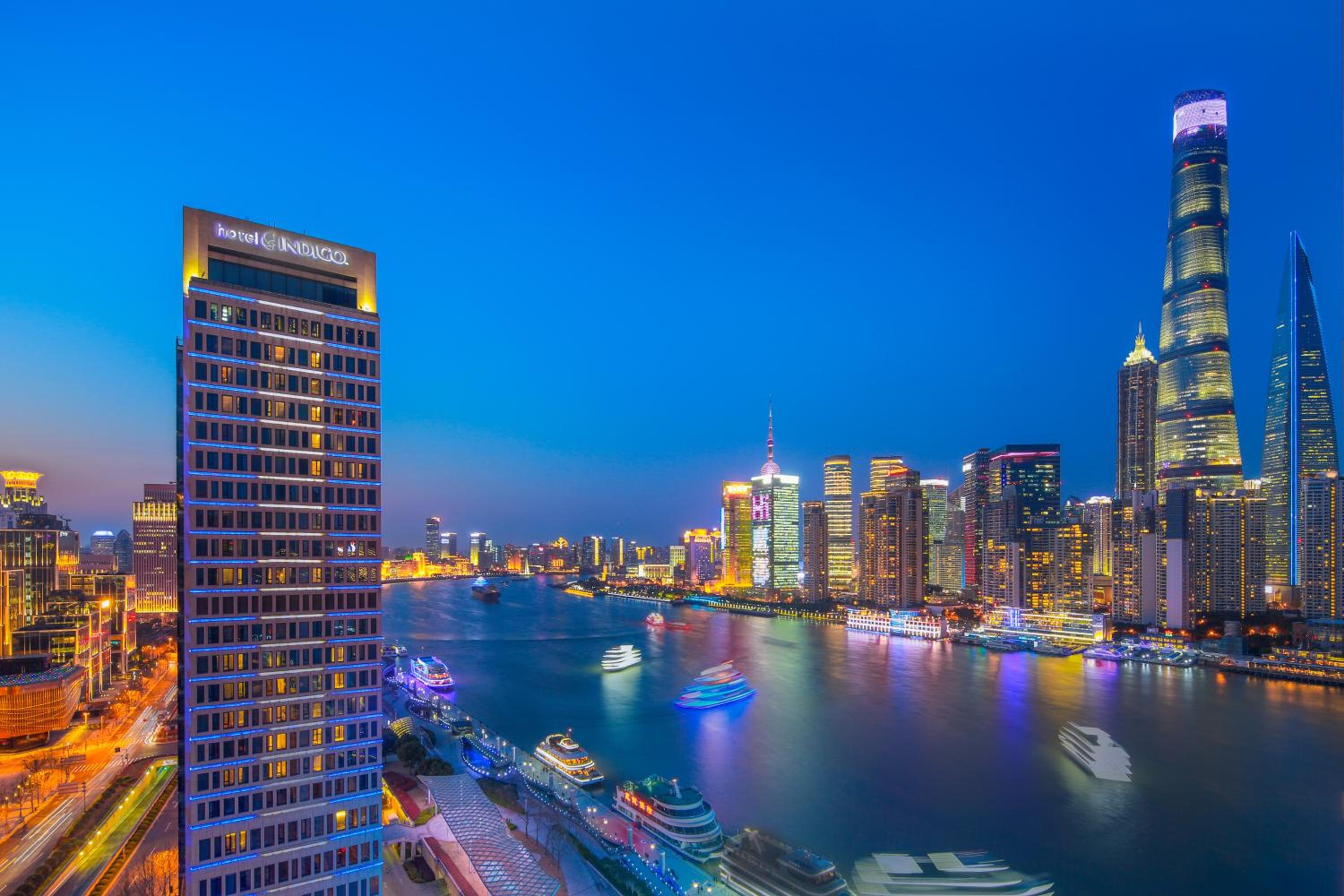
Hotel Indigo Shanghai On The Bund in Shanghai
Travellers interested in distinctive interiors · Visitors looking for a Bund-area base
Hotel Indigo Shanghai On The Bund pairs contemporary design with Chinese-inspired details in its interiors. Its address on Zhongshan Dong Er Road places it in the Huangpu district, near the riverfront.
- Why it stands out
- Eclectic Chinese and contemporary design · Huangpu district location
03
Great value

Park Hotel Shanghai
Travellers who want to stay by People’s Square · Visitors drawn to Shanghai’s architectural history
Park Hotel Shanghai is a landmark opened in 1934, facing People’s Square. Its historic character and central position make it a practical base for exploring downtown.
- Why it stands out
- Landmark building dating to 1934 · People’s Square location
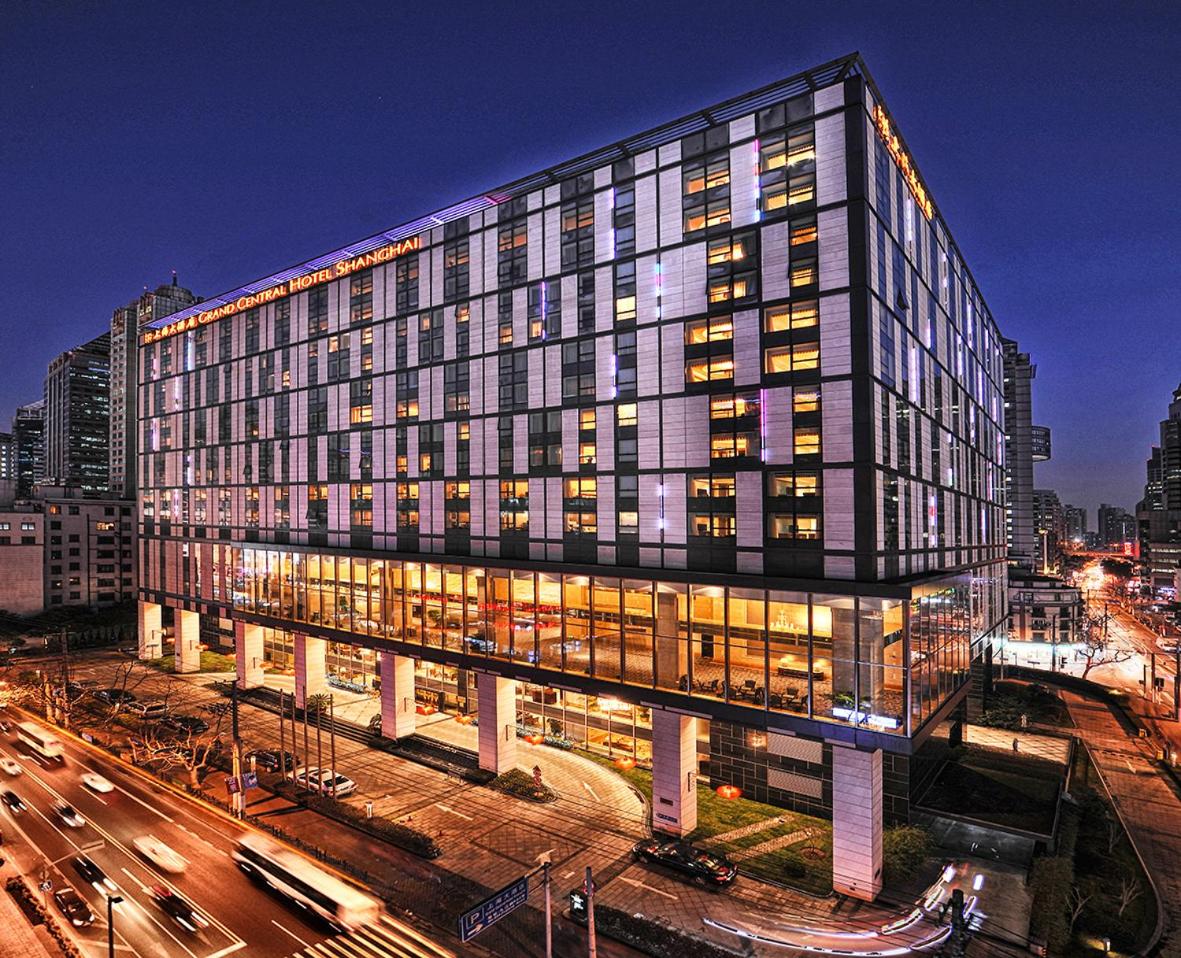
Grand Central Hotel Shanghai - Nanjing Road
First-time visitors seeking a central location · Travellers planning to explore Nanjing Road and the Bund
Grand Central Hotel Shanghai - Nanjing Road is on Jiujiang Road, close to the Bund and East Nanjing Road Pedestrian Street. It suits visitors who want a central base near the city’s busiest shopping and waterfront areas.
- Why it stands out
- Near East Nanjing Road Pedestrian Street · Convenient for the Bund
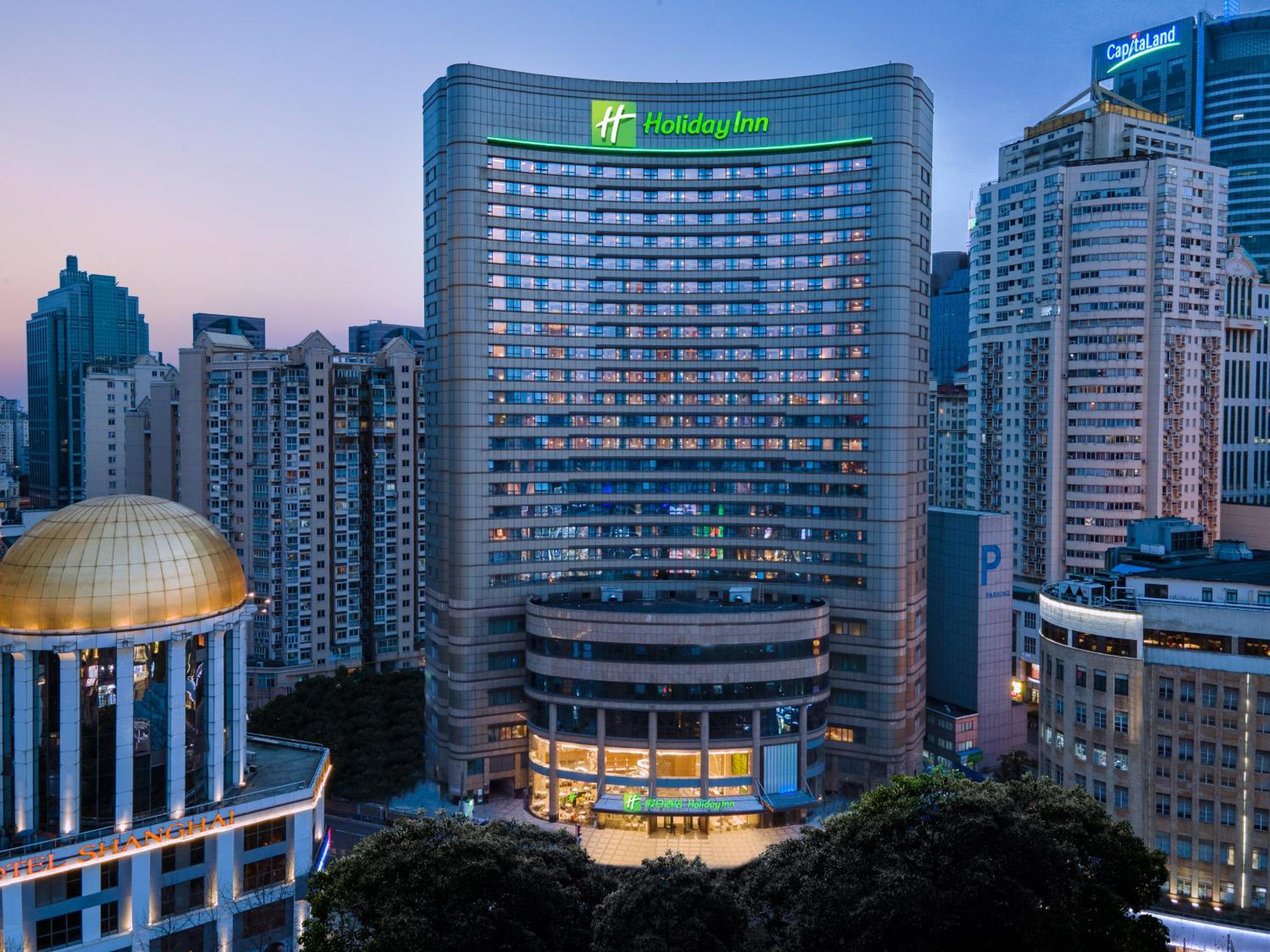
Holiday Inn Shanghai Nanjing Road by IHG
Travellers who want to be on Nanjing Road · Visitors prioritising a central base
Holiday Inn Shanghai Nanjing Road is at the lively Nanjing Road pedestrian street, with Century Square nearby. The location puts central sights and shopping within easy reach.
- Why it stands out
- On Nanjing Road pedestrian street · Near Century Square
What's on in Shanghai
These event listings are due for a fresh check. Confirm dates with the organiser before booking.
On now
Sep 24 – Feb 14, 2027
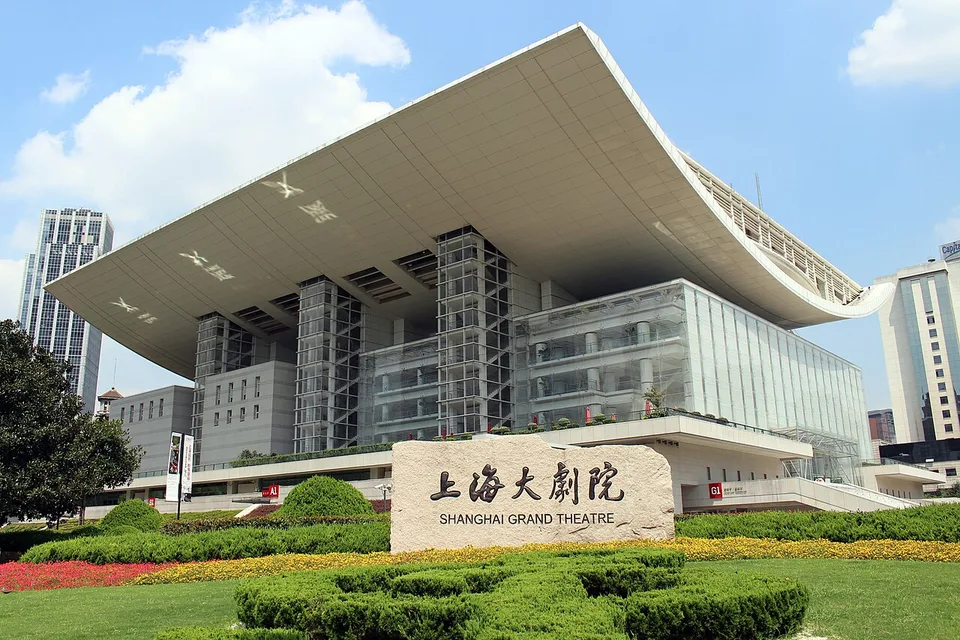
Sep 29 – Dec 27, 2026
Oct 30 – Jan 24, 2027


December 2026
Dec 5 – Dec 6, 2026

March 2027
Mar 8 – Mar 10, 2027

April 2027
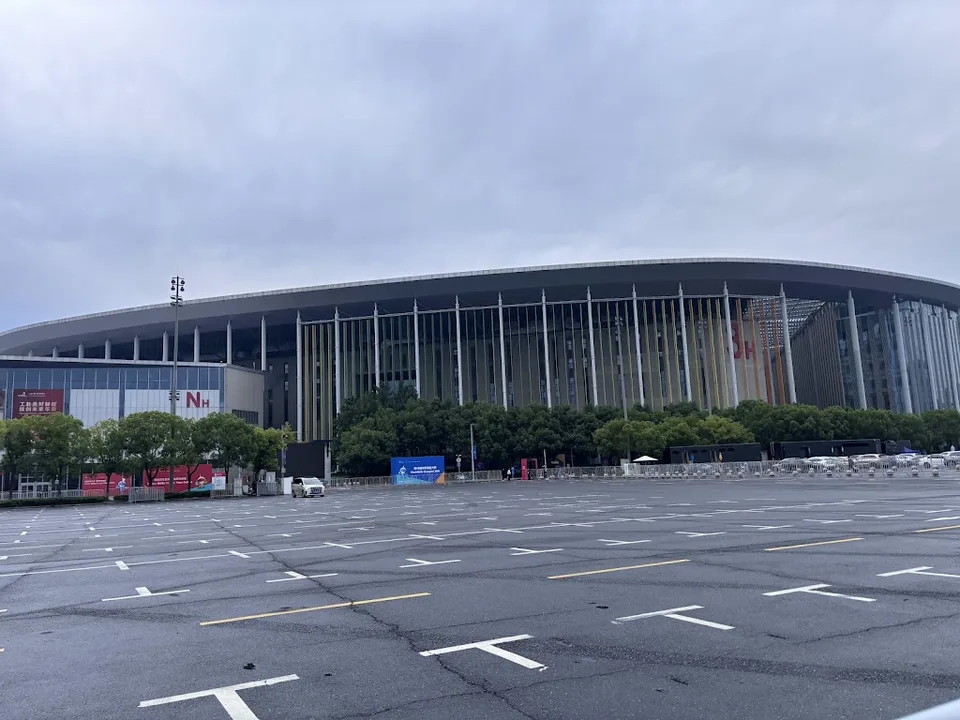
Apr 23 – May 2, 2027
Day trips from Shanghai
High-speed trains make Suzhou and Hangzhou the strongest full-day escapes: choose Suzhou for classical gardens, canals and silk heritage, or Hangzhou for West Lake, tea hills and temples. For a gentler, closer change of scene, Zhujiajiao offers a half-day among waterways and stone bridges.
Suzhou
high-speed train · full day · gardens · canals · silk heritage
Suzhou’s classical gardens turn a day among canals into a close look at Chinese landscape design: pavilions, ponds, bridges and carefully arranged rocks. Add a slow walk along Pingjiang Road, a preserved canal street, and silk heritage for a varied day suited to garden lovers, architecture enthusiasts and curious walkers. High-speed trains from Hongqiao take about 25–35 minutes. Major gardens require real-name online tickets; gate windows do not sell walk-up admission. Two gardens make a realistic day, rather than trying to squeeze in four.

Hangzhou
high-speed train · full day · West Lake · tea hills · temples
Hangzhou is the choice for a broad, scenic day built around West Lake, whose shores, causeways and surrounding hills offer a striking contrast to Shanghai. Walk or cycle a stretch of the lake, take a ferry to its islands, or add a temple or tea-growing village for a day that suits landscape lovers and anyone seeking a slower pace. The lake is about 15 km around, so a complete walk is a serious undertaking; the north and west causeways are especially picturesque. High-speed trains to Hangzhou East take about 45–60 minutes, followed by roughly half an hour by metro to the lake.

Zhujiajiao
metro Line 17 · half day · water town · canals · stone bridges
Zhujiajiao’s canals, lanes and stone bridges make an easy introduction to the water-town scenery beyond Shanghai, without committing to a full day away. It suits travellers who want an unhurried half-day of wandering rather than a packed itinerary. Metro Line 17 from Hongqiao Railway Station takes about an hour and costs ¥6; from the station, continue by a short bus ride or a walk of about 20 minutes. The lanes are free to explore, while some halls charge admission.
- Outbound route
- Distance only: 82 km
- Return route
- Distance only: 82 km
- Outbound route
- Distance only: 163 km
- Return route
- Distance only: 163 km
- Outbound route
- Distance only: 44 km
- Return route
- Distance only: 44 km

Before you go
These are the advisories for China; anything that differs here is marked below.
Visa-free entry depends on passport and nationality
Whether you can enter China without a visa depends on your nationality and passport type. The National Immigration Administration (NIA) publishes the country lists and terms, including passport type, purpose and maximum stay. Check the NIA lists for your own passport before travelling. Visa-free entry is generally for ordinary passports and short stays for tourism, business, visits, family visits, exchanges or transit. Work, study and news reporting still need a visa.
Eligibility differs by nationality. Check the NIA country lists (en.nia.gov.cn) for the terms that apply to your passport. This advisory does not state eligibility for any single nationality.
30-day unilateral visa-free entry for listed countries
Nationals of countries on the NIA unilateral visa-free list who hold ordinary passports can enter China without a visa for business, tourism, visits to friends or family, exchanges or transit for up to 30 days. The stay is counted from 00:00 on the day after entry. The list is country-specific and was published citing China's Ministry of Foreign Affairs (page dated February 2026).
Only nationals of listed countries qualify. Check the NIA unilateral visa-free list for your country and passport type.
nia.gov.cnchecked Feb 17, 2026
240-hour visa-free transit
Holders of ordinary passports from eligible countries who hold an interline ticket with confirmed dates and itinerary to a third country or region can transit through any of 65 open ports, including Beijing and Shanghai, without a visa. They may stay in designated areas for up to 240 hours (10 days) for tourism, business, visits and family visits. From 20 August 2026, nationals of Kyrgyzstan and Vietnam were added, bringing the total to 57 countries. Work, study and news reporting still need a visa.
Eligibility differs by nationality. Check the NIA list of eligible countries for your passport.
en.nia.gov.cnnia.gov.cnnia.gov.cnchecked Aug 20, 2026
24-hour transit without a visa
Any foreigner holding a valid international travel document and a confirmed onward ticket on an international flight, ship or train can transit through any China open port without a visa for up to 24 hours. You must stay within the restricted port area. Leaving that area requires a temporary entry permit from port immigration.
This applies to all passport holders, subject to holding a valid travel document and confirmed onward ticket.
Hainan 30-day visa-free entry
Ordinary-passport holders from 61 listed countries can enter Hainan Province visa-free for up to 30 days for tourism, business, visits, family visits, medical treatment, exhibitions or sports. Work and study are excluded. Activity is limited to Hainan Province, and entry and exit are through Hainan's open ports. Kyrgyzstan and Vietnam were added effective 20 August 2026.
Only nationals of the 61 listed countries qualify. Check the NIA Hainan list for your passport.
nia.gov.cnen.nia.gov.cnchecked Aug 20, 2026
Group visa-free schemes with conditions
Some visa-free schemes apply only to organised groups: cruise tour groups of two or more people, organised by a China-registered travel agency, can enter at 13 listed cruise ports for up to 15 days within 11 coastal provinces and municipalities and Beijing. ASEAN tourist groups of two or more with ordinary passports can enter Xishuangbanna (Yunnan) and Guilin (Guangxi) visa-free for up to 6 days, entering and leaving as a group. Hong Kong and Macau group schemes also apply. Do not assume you qualify unless you meet every condition.
Group schemes depend on nationality (ASEAN, and for Hong Kong and Macau groups, countries with diplomatic ties with China). Check the NIA lists for your passport.
Shanghai travel FAQs
Shanghai’s metro links the airports and central sights, while contactless cards and transport passes simplify city travel. Spring and autumn suit walking; October’s National Day holiday brings heavy crowds, while autumn also means hairy crab season.
Sources (16)
- How Much Does a Day in Shanghai Cost in 2026? - Travel Of China
- Shanghai Festivals Calendar 2026 | Shanghai Tourism Guide
- Yu Garden Lantern Festival: Dates & Tickets | Shanghai Tourism Guide
- Shanghai to Suzhou & Hangzhou: Day Trips by High-Speed Rail
- Best time to visit Shanghai: weather, holidays and crowds
- Golden Week Shanghai: Worth Visiting? | Shanghai Tourism Guide
- Yuyuan Lantern Festival 2027: Dates, Tickets & Tips | YuGarden.org
- Day Trips from Shanghai: Suzhou, Hangzhou and the Water Towns
- China travel advice
- Shanghai Practical Tips: Complete 2026 Guide
- Where to stay in Shanghai: best areas for first-timers
- Shanghai Public Transport Card | Shanghai Tourism Guide
- Traveling between Shanghai's airports and city center_Public Transport
- Suzhou Day Trip from Shanghai: Gardens & Canals 2026
- Yu Garden, Shanghai, China | Roavina
- Metro _Travel Your Way
Explore Shanghai and nearby areas
Showing 16 of 16
- DistrictPudong692 places
- DistrictHuangpu District628 places
- DistrictJing'an District278 places
- DistrictXuhui District240 places
- DistrictMinhang District186 places
- DistrictChangning District162 places
- DistrictQingpu District86 places
- DistrictSongjiang District77 places
- DistrictJiading District77 places
- DistrictHongkou District67 places
- DistrictYangpu District58 places
- DistrictPutuo District55 places
- DistrictBaoshan District31 places
- DistrictChongming District28 places
- DistrictJinshan District17 places
- DistrictFengxian District16 places
Shanghai on social media