Beijing travel guide
Updated November 17, 2026


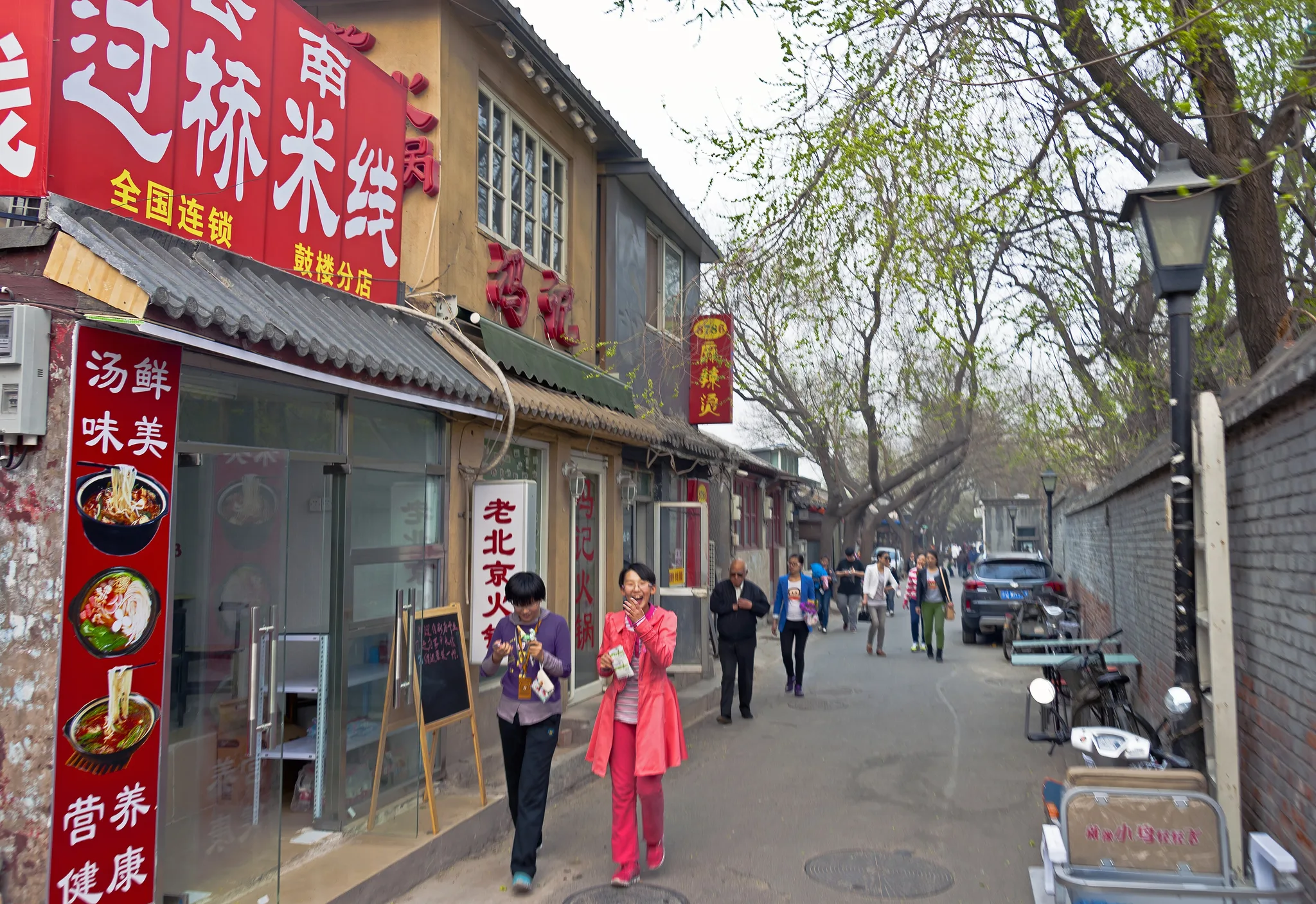
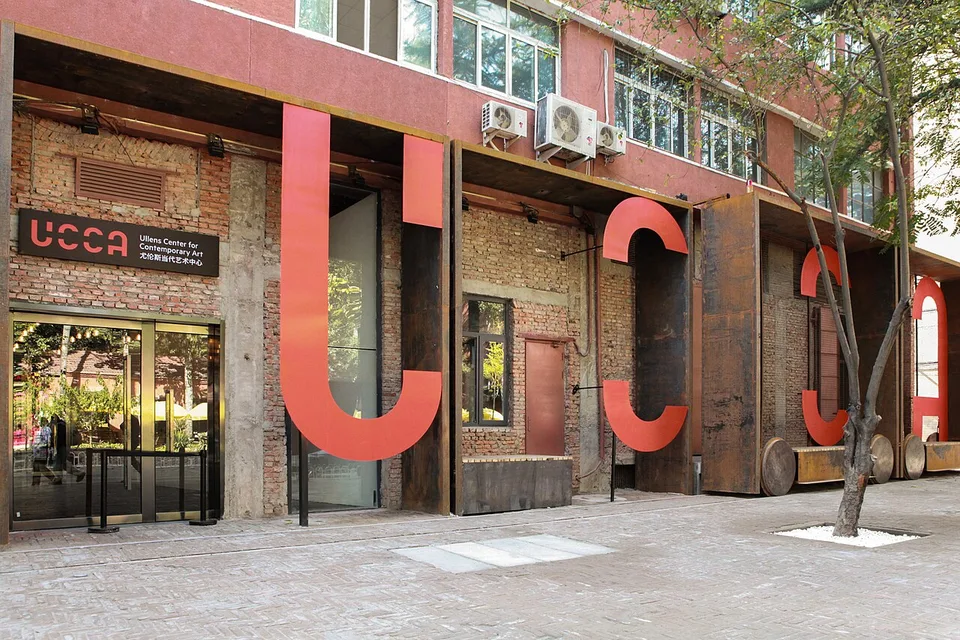
On the North China Plain, Beijing blends imperial history with the scale of a modern metropolis. Its 7.8-kilometre Central Axis links the Temple of Heaven, Tiananmen Square, the Forbidden City and the Drum and Bell Towers. North and west, the Summer Palace and Old Summer Palace offer lakes, gardens and ruins. The Great Wall follows the mountains beyond the centre, while hutongs retain the close-knit feel of courtyard neighbourhoods. In Chaoyang, the 798 Art District’s converted factories house galleries and studios.
The city’s traditions live on in working temples, Peking opera and Spring Festival temple fairs, where folk performances and crafts fill parks. Peking duck comes with thin pancakes, spring onions and sweet bean sauce; zhajiangmian combines noodles with soybean paste; and copper-pot instant-boiled mutton is cooked at the table. Each April, the Beijing International Film Festival brings screenings and events, while the National Centre for the Performing Arts presents opera, music, ballet and theatre.
Beijing appeals to first-time visitors seeking imperial landmarks, families interested in the Great Wall and theme parks, and returning travellers drawn to art, neighbourhoods or performances. Its scale rewards a focused itinerary: explore the central axis and hutongs, allow time for the gardens and mountain wall, then visit Chaoyang’s galleries.
Beijing highlights
Beijing’s imperial landmarks and the Great Wall are the defining sights; gardens, temples and contemporary art offer a different pace. Several central landmarks can be linked on foot, while Mutianyu makes a full-day outing beyond the city.

History & heritage
Imperial Beijing is at its most vivid in the palace complex and the Temple of Heaven, with the Great Wall providing a monumental excursion beyond the centre.

Forbidden City
Imperial architecture · First-time visitors to Beijing
The Forbidden City was the imperial palace of the Ming and Qing dynasties. Its vast halls and courtyards make it the essential stop for understanding Beijing’s imperial past.

Temple of Heaven
Sacred architecture · A contrast with palace history
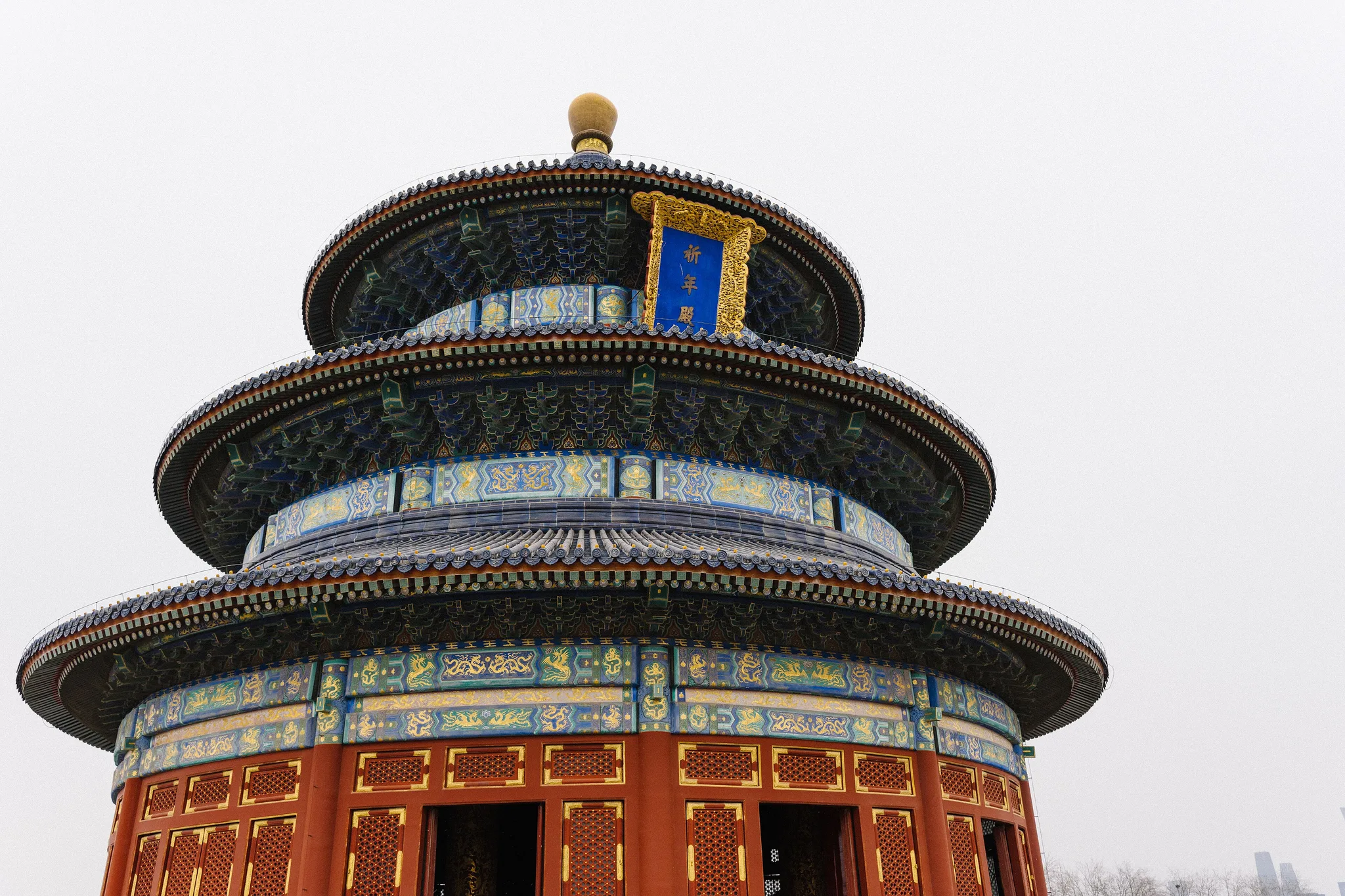
Ming and Qing emperors came here to worship Heaven and pray for good harvests. The Hall of Prayer for Good Harvests and ancient trees give the complex a distinctive character.
- Park admission is ¥15; the full-complex ticket is ¥35.

Mutianyu
Great Wall scenery · A full-day outing
Mutianyu is a scenic section of the Great Wall north of Beijing, with a cable car up and an optional toboggan run down. It is a comfortable choice for a day on the Wall, though reaching it takes a drive of about 90 minutes from central Beijing.
- Allow most of the day for the visit.
- Tickets can be booked up to 30 days ahead in the name on your passport.
Nature & outdoors
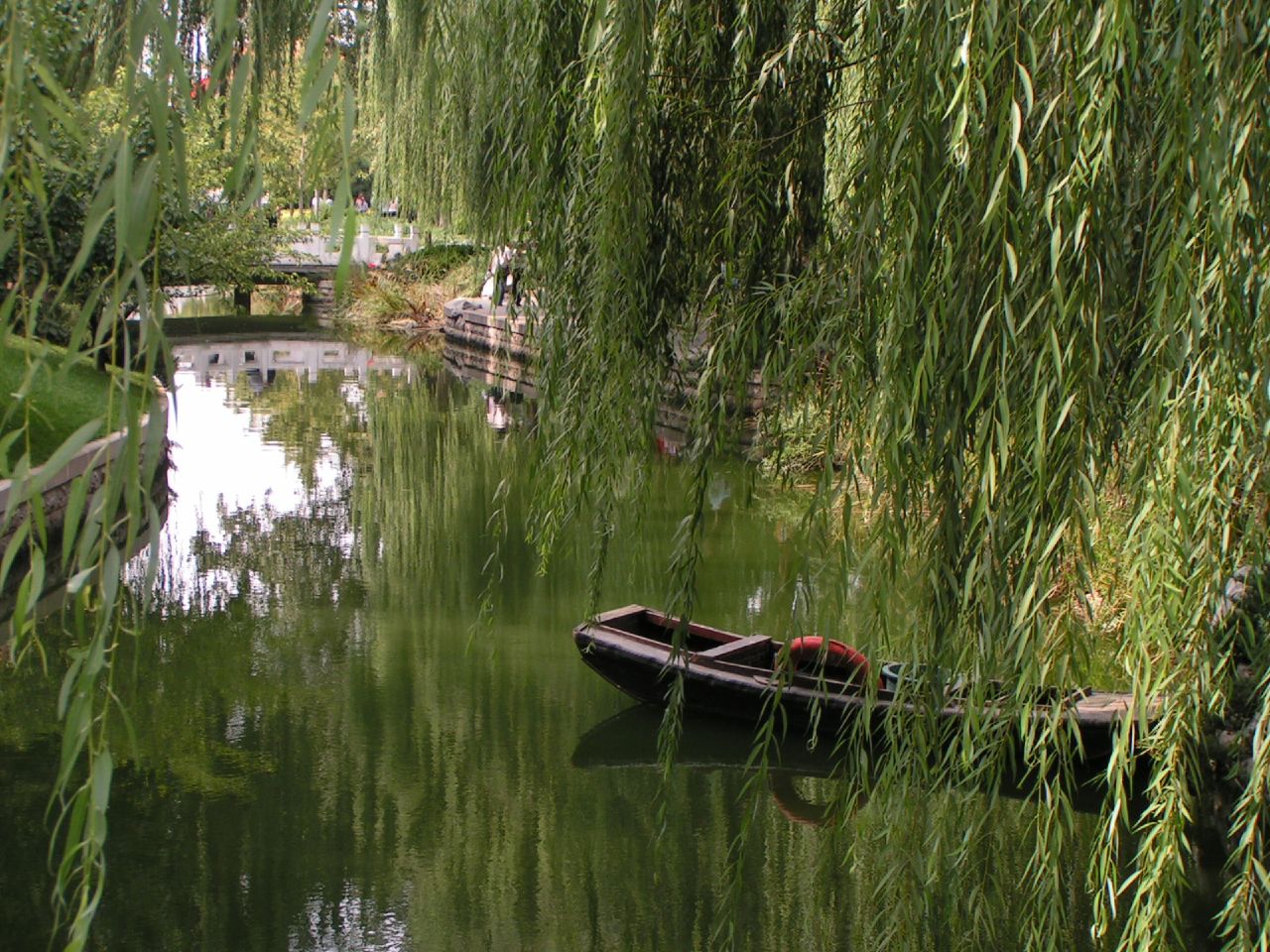
Classical imperial gardens pair lakeside paths and pavilions with quiet green space close to the historic centre.

Beihai Park
A quiet garden stroll · Lake and city views
This historic imperial garden offers a peaceful lake, the White Dagoba and paths suited to a leisurely walk. It makes an easy change of pace after Beijing’s ceremonial landmarks.

Summer Palace
Garden scenery · Lakeside walks
The Qing imperial garden brings hills, pavilions and Kunming Lake together in a landscape designed for long walks and classical scenery. Its scale rewards setting aside a substantial part of the day.
- Admission is ¥30 in low season and ¥60 in peak season.
- The Long Corridor is 728 metres long; allow at least two to three hours.
Museums & culture
Beijing’s cultural range spans an active Buddhist temple and a former factory district now devoted to galleries and studios.

Nightlife & entertainment
Houhai brings evening walks and lakeside bars together around Shichahai.
Beijing by area
For a first Beijing visit, Dongcheng puts the imperial sights and Wangfujing close together. Choose the hutong lanes around Nanluoguxiang, Gulou or Shichahai for old-city atmosphere; Chaoyang suits nightlife, international dining and business. Qianmen and Dashilar offer a more southerly base near Tiananmen.
- First-time visitors · History-focused trips · Travellers prioritising central sightsNorth of Beijing’s centre, Dongcheng is the historic imperial district, encompassing the Forbidden City, Tiananmen Square, the Lama Temple and Wangfujing. Its concentration of sights and metro connections makes it a practical first-trip base; hotels generally cost more than comparable options in Chaoyang or Xicheng.
Beijing itineraries
One day follows the central axis; two days add Mutianyu and the Great Wall. Three days make room for the Summer Palace, while four days give the gardens and old-city lakes a more relaxed pace. These plans suit first-time visitors from a short stop to a longer city stay.


One day: the central axis
Best for · First-time visitors on a short stay
Day 1
The central axis, from the Temple of Heaven to the imperial palace
Suggested start window · 06:30:00–07:00:00

Temple of Heaven
120 min here
Begin at the Temple of Heaven, where early-morning park life unfolds beneath the cypresses. The park opens at 6:00 from April to October and 6:30 in winter; the halls open at 8:00. The ¥34 peak-season through ticket covers the Hall of Prayer for Good Harvests, Echo Wall and Circular Mound Altar.
Travel to this stop:Metro

Tiananmen Square
60 min here
Continue north to Tiananmen Square. Entry requires a real-name reservation one to seven days ahead, a passport for the on-site check and security screening.
Travel to this stop:Walk

Forbidden City
180 min here
Explore the Forbidden City, Beijing’s former imperial palace at the heart of the central axis. Tickets are online-only and released seven days ahead; the museum closes on Mondays. Allow about three hours to cross the palace grounds.
Travel to this stop:Walk

Jingshan Park
45 min here
Climb Jingshan Park immediately north of the palace for a view over its tiled roofs. Entry is ¥2.
Travel to this stop:Walk
Beihai Park
90 min here
End among the lakes and gardens of Beihai Park, a leisure landscape north of the Forbidden City. Its White Dagoba stands above the lake, and paddle boats are available in summer.
- Meal and rest pacing
- Meal break: 60 min
- Rest break: 30 min
- Planning notes
- The Forbidden City is closed on Mondays; build a Monday around parks and hutongs instead.
Map shows day 1: The central axis, from the Temple of Heaven to the imperial palace
Two days: the axis and Mutianyu
Best for · First-time visitors with a weekend or short city break
Day 1
The central axis and the imperial palace
Suggested start window · 06:30:00–07:00:00
Temple of Heaven
120 min here
Begin at the Temple of Heaven, when tai chi groups and other local routines animate the park. The park opens at 6:00 from April to October and 6:30 in winter; the halls open at 8:00. The ¥34 peak-season through ticket includes the Hall of Prayer for Good Harvests, Echo Wall and Circular Mound Altar.
Travel to this stop:Metro
Tiananmen Square
60 min here
Go north to Tiananmen Square. A real-name reservation one to seven days ahead, a passport and a security check are required.
Travel to this stop:Walk
Forbidden City
180 min here
Explore the Forbidden City, the imperial palace at the centre of Beijing’s north–south axis. Tickets are online-only, released seven days ahead, and the museum closes Mondays. Allow around three hours.
Travel to this stop:Walk
Jingshan Park
45 min here
Climb Jingshan Park directly behind the palace for a sweeping view of its rooftops. Entry costs ¥2.
Travel to this stop:Walk
Beihai Park
90 min here
Finish at Beihai Park, a lakeside retreat north of the palace, with the White Dagoba as its landmark. Paddle boats are available in summer.
- Meal and rest pacing
- Meal break: 60 min
- Rest break: 30 min
- Planning notes
- The Forbidden City closes Mondays; put the axis day on another day of the week.
Day 2
Mutianyu and the Great Wall north of Beijing
Suggested start window · 06:30:00–07:00:00
Mutianyu
360 min here
Give Mutianyu the day: this Great Wall section north of Beijing has a cable car and a toboggan run, with a long walk along its towers for those who want it. Entry is ¥45 and the shuttle ¥20; the cable car and toboggan are separate charges. Mutianyu is open seven days a week, and tickets can be booked up to 30 days ahead in the name on your passport. The journey from central Beijing is about 90 minutes by car each way.
- Meal and rest pacing
- Meal break: 60 min
- Rest break: 30 min
Map shows day 1: The central axis and the imperial palace
Three days: the classic sights and gardens
Best for · First-time visitors who want the headline sights without compressing them into one day
Day 1
The central axis and the imperial palace
Suggested start window · 06:30:00–07:00:00
Temple of Heaven
120 min here
Start at the Temple of Heaven, where early park hours bring local groups beneath the old cypresses. The park opens at 6:00 from April to October and 6:30 in winter; its halls open at 8:00. The ¥34 peak-season through ticket covers the principal halls and altars.
Travel to this stop:Metro
Tiananmen Square
60 min here
Head north to Tiananmen Square. Entry requires a real-name booking one to seven days in advance, a passport and a security check.
Travel to this stop:Walk
Forbidden City
180 min here
Spend about three hours in the Forbidden City, Beijing’s former imperial palace. Tickets are online-only and released seven days ahead; the museum closes Mondays.
Travel to this stop:Walk
Jingshan Park
45 min here
Climb Jingshan Park for an elevated view across the palace roofs. Entry is ¥2.
- Meal and rest pacing
- Meal break: 60 min
- Rest break: 30 min
- Planning notes
- Avoid scheduling the Forbidden City on Monday, when it is closed.
Day 2
Mutianyu and its mountain ridges
Suggested start window · 06:30:00–07:00:00
Mutianyu
360 min here
Spend the day at Mutianyu, a Great Wall section north of Beijing with a cable car and toboggan run. Entry costs ¥45 and the shuttle ¥20; cable car and toboggan tickets are additional. It opens daily, and tickets can be booked up to 30 days ahead in the name on your passport. The journey from central Beijing is about 90 minutes by car each way.
- Meal and rest pacing
- Meal break: 60 min
- Rest break: 30 min
Day 3
The north-west lakes and gardens
Suggested start window · 08:00:00–08:30:00
Summer Palace
240 min here
Explore the Summer Palace on Kunming Lake, with its Long Corridor and hillside halls. Set aside at least two to three hours; a through ticket costs ¥60 in peak season and ¥50 in winter. Line 4 serves the area, with Beigongmen or Xiyuan stations for the palace.
- Meal and rest pacing
- Meal break: 60 min
- Rest break: 30 min
Rain alternative
- The Palace Museum — For a wet day in the city, swap the exposed Great Wall outing for the Palace Museum’s indoor palace halls. Tickets are online-only and it closes on Mondays.
Map shows day 1: The central axis and the imperial palace
Four days: gardens, lakes and hutongs
Best for · Visitors who want a slower pace and time beyond the headline sights
Day 1
The central axis and imperial Beijing
Suggested start window · 06:30:00–07:00:00
Temple of Heaven
120 min here
Begin at the Temple of Heaven, where local park life is especially lively early. It opens at 6:00 from April to October and 6:30 in winter; the halls open at 8:00. The ¥34 peak-season through ticket includes the Hall of Prayer for Good Harvests and other principal sights.
Travel to this stop:Metro
Tiananmen Square
60 min here
Continue north to Tiananmen Square. Reserve a real-name entry slot one to seven days ahead and bring the passport used for the booking; security screening is required.
Travel to this stop:Walk
Forbidden City
180 min here
Explore the Forbidden City, allowing about three hours for its vast palace courtyards and halls. Tickets are online-only and released seven days ahead; the museum closes Mondays.
Travel to this stop:Walk
Jingshan Park
45 min here
Climb Jingshan Park, immediately north of the palace, for a view over the imperial rooftops. Entry is ¥2.
- Meal and rest pacing
- Meal break: 60 min
- Rest break: 30 min
- Planning notes
- The Forbidden City is closed on Mondays.
Day 2
Mutianyu and the Great Wall
Suggested start window · 06:30:00–07:00:00
Mutianyu
360 min here
Make Mutianyu a full-day excursion. Walk its towers, use the cable car for the climb, or take the toboggan down. Entry is ¥45, the shuttle ¥20, and the cable car and toboggan cost extra. The section opens daily; tickets can be booked up to 30 days ahead in the passport name. The journey from central Beijing is about 90 minutes by car each way.
- Meal and rest pacing
- Meal break: 60 min
- Rest break: 30 min
Day 3
The north-west lakes and gardens
Suggested start window · 08:00:00–08:30:00
Summer Palace
240 min here
Give the Summer Palace a generous visit: the Long Corridor runs beside Kunming Lake, and the palace’s halls and gardens spread across a broad landscape. Through tickets are ¥60 in peak season and ¥50 in winter; Line 4 serves Beigongmen and Xiyuan.
- Meal and rest pacing
- Meal break: 60 min
- Rest break: 30 min
Day 4
Old-city lakes, hutongs and the Lama Temple
Suggested start window · 08:30:00–09:00:00
Beihai Park
120 min here
Spend a relaxed morning in Beihai Park, a lakeside leisure garden north of the Forbidden City. Its White Dagoba is a striking landmark, and paddle boats are available in summer.
Travel to this stop:Walk
Houhai
120 min here
Walk around Houhai, part of the old city’s linked lake-and-hutong quarter, and linger by the waterside as the neighbourhood comes to life in the evening.
Travel to this stop:Metro

Lama Temple
90 min here
Visit Lama Temple, an active Tibetan Buddhist monastery. Arrive before 10am to see worshippers; entry is ¥25.
- Meal and rest pacing
- Meal break: 60 min
- Rest break: 30 min
Rain alternative
- The Palace Museum — A rainy day in the city suits the Palace Museum’s indoor halls better than an exposed Great Wall walk. Tickets are online-only and the museum closes Mondays.
Map shows day 1: The central axis and imperial Beijing
Eating in Beijing
Beijing’s food traditions run from roast duck and copper-pot mutton hotpot to everyday zhajiangmian noodles and street snacks such as tanghulu. Duck is wrapped in thin pancakes with spring onion and sweet bean sauce; hotpot is cooked at the table and dipped in sauce. For broader choice, the East Third Ring Road food street stretches between Guomao and Yansha, with restaurants serving a range of cuisines.
What to eat
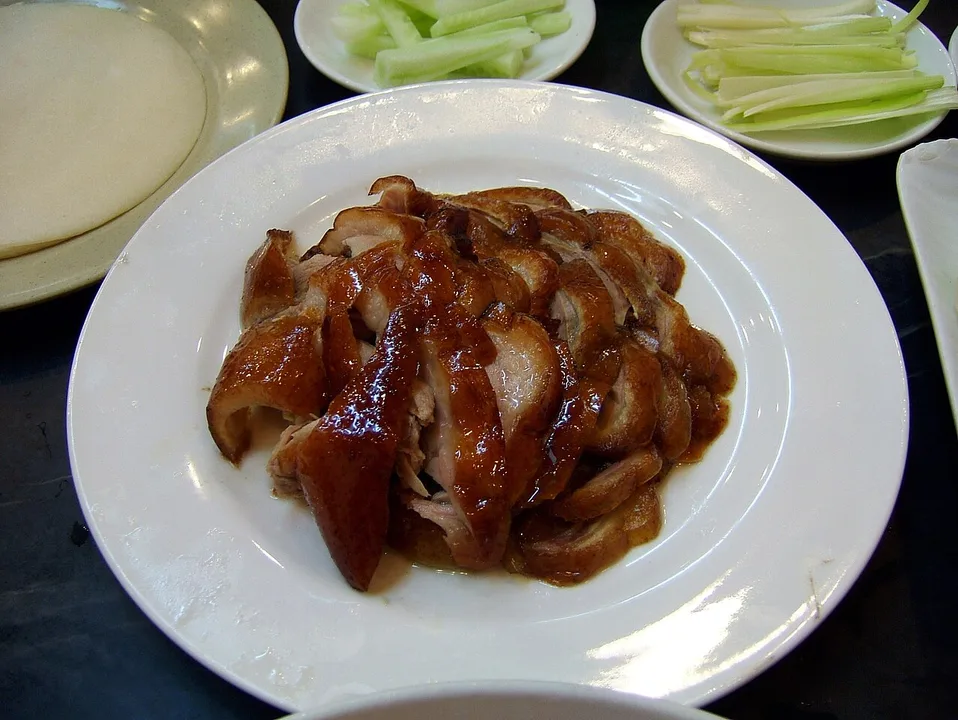
Beijing Duck
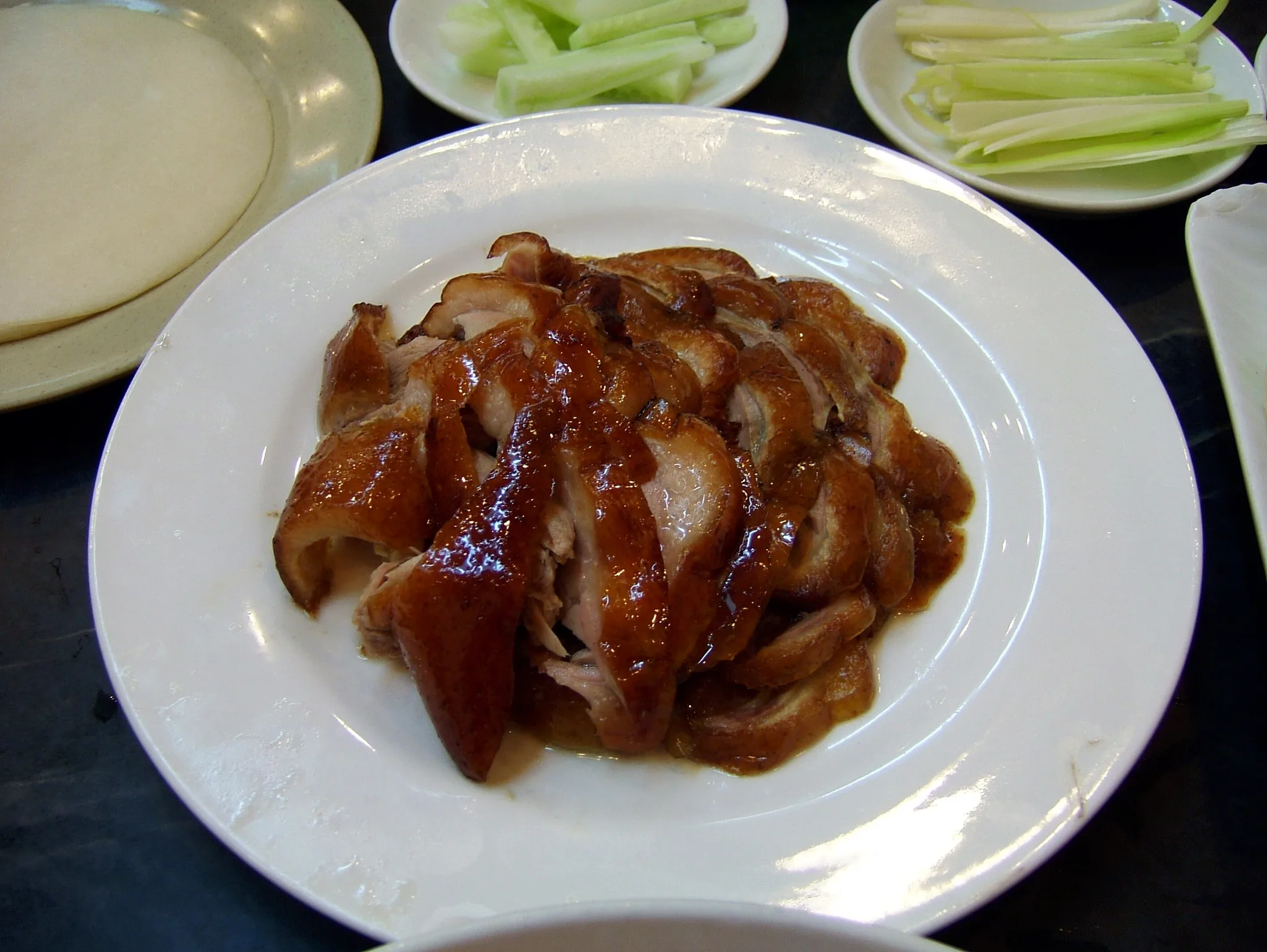
Beijing Duck is roasted until its skin is crisp, then served in thin slices. Eat the skin and meat wrapped in thin pancakes with spring onion and sweet bean sauce; the remaining meat and bones may follow in other dishes.
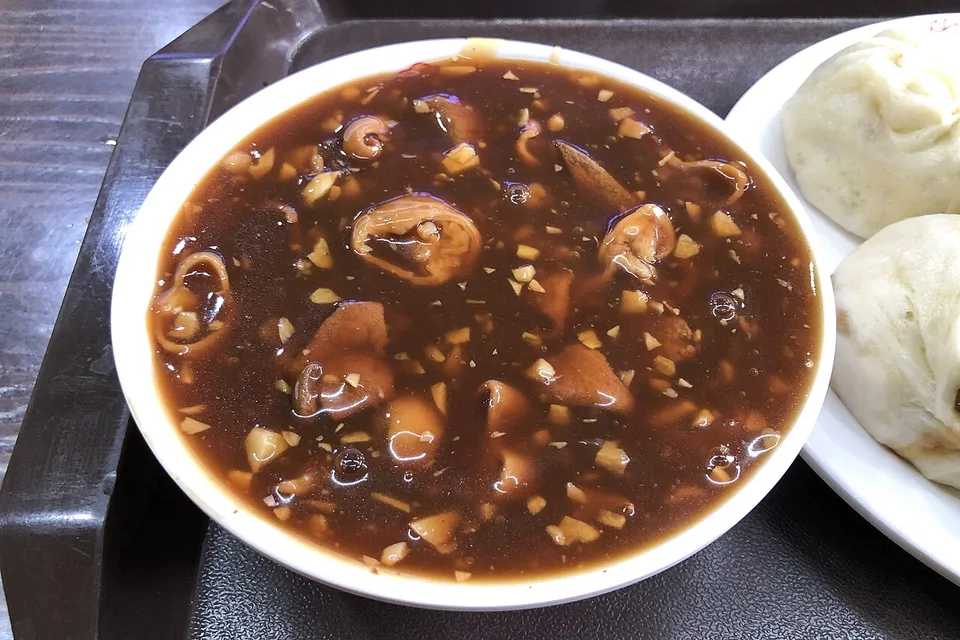
Chao Gan
Chao Gan is a Beijing-style stew of pork liver, traditionally enjoyed as a local specialty.
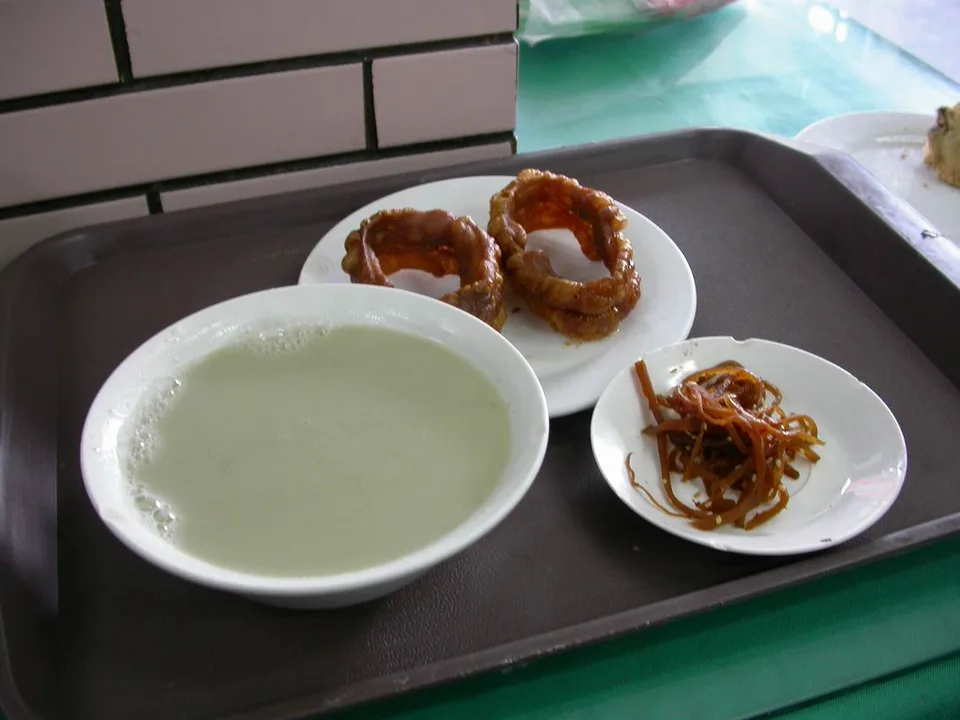
Douzhi
Douzhi is fermented mung-bean drink, a distinctive Beijing snack-time taste often paired with fried dough rings.
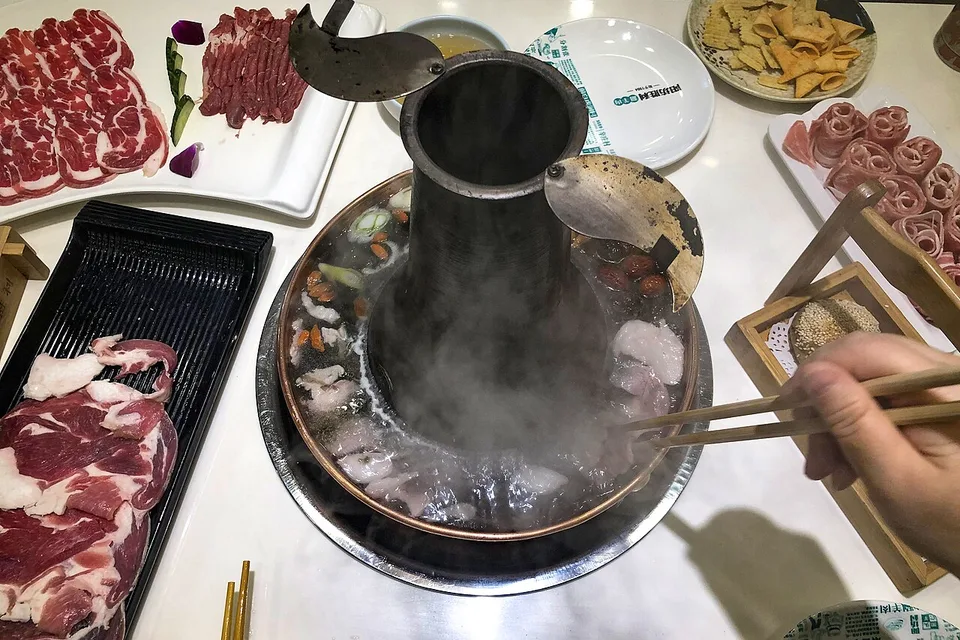
Instant-boiled Mutton
Instant-boiled Mutton is cooked in a simmering pot of stock at the table, alongside vegetables. Dip each freshly cooked bite in sauce; Donglaishun is known for Beijing-style copper-pot hotpot.
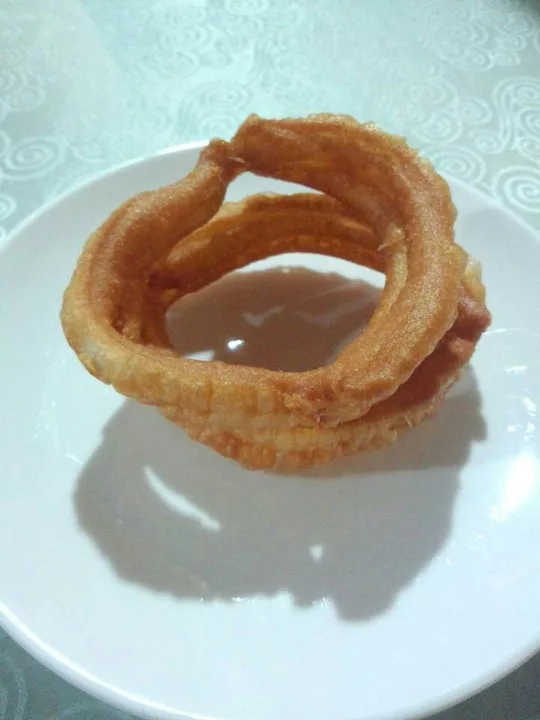
Jiaoquan
Jiaoquan are fried dough rings, a traditional Beijing snack commonly paired with douzhi.
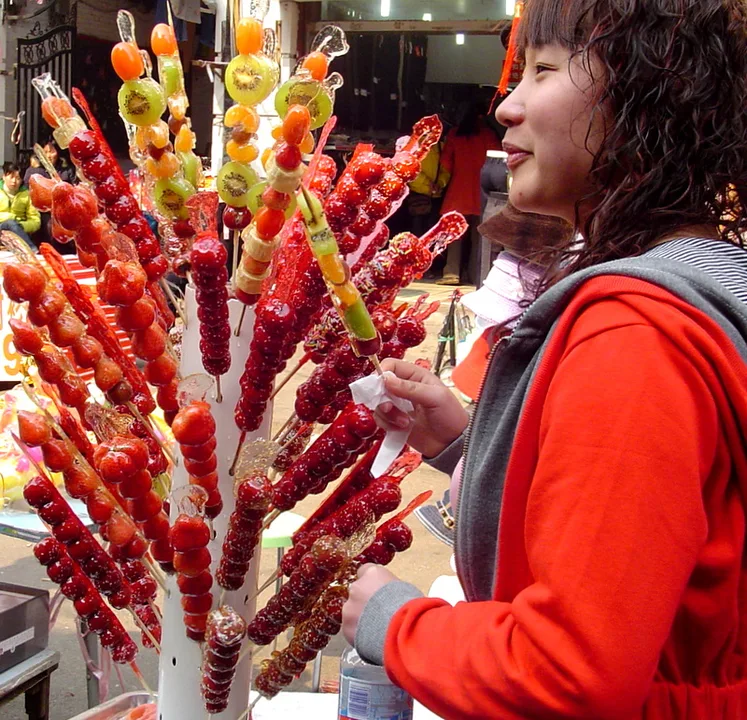
Tanghulu
Tanghulu is candied hawthorn on a stick, a traditional Beijing sweet and a popular winter snack.
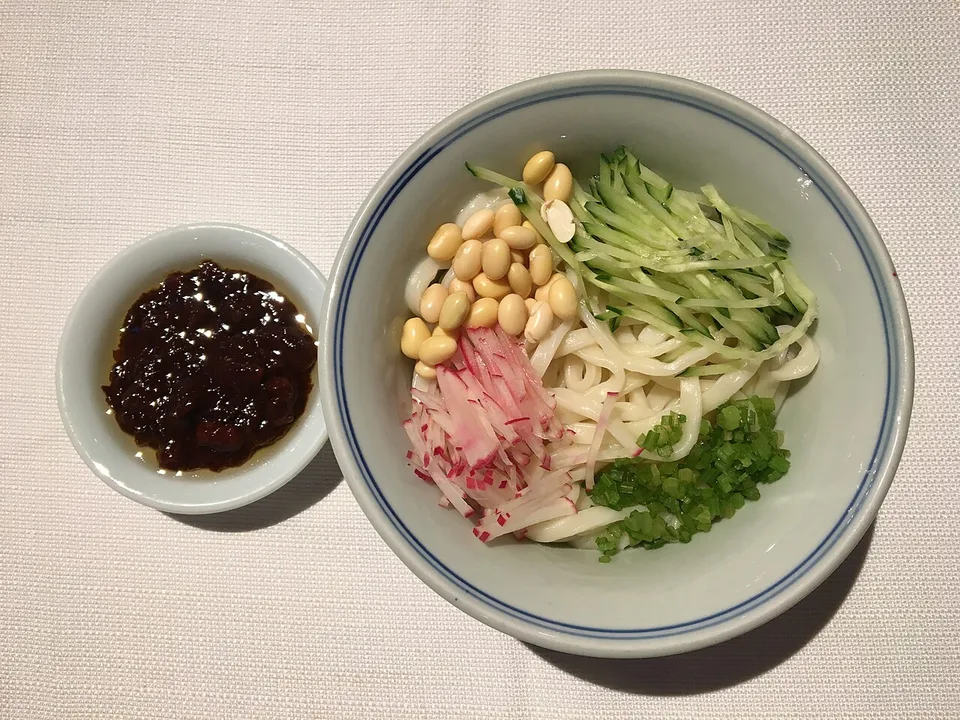
Zhajiangmian
Zhajiangmian are Beijing noodles topped with a savory soybean-paste sauce. Fangzhuanchang Hutong is associated with a longstanding local eatery serving this traditional dish.
Where to try it

Deyuan Roast Duck Restaurant
venue
Deyuan Roast Duck Restaurant is a Beijing roast-duck restaurant, a fitting choice for the city’s signature dish.

Jubaoyuan Hot Pot Restaurant
venue
Jubaoyuan Hot Pot Restaurant is a Beijing hotpot specialist for the copper-pot mutton tradition.

Hongbinlou
venue
Hongbinlou serves traditional Beijing-style cuisine, including halal delicacies prepared by several cooking methods.

1949 The Hidden City
venue
1949 The Hidden City is a Chinese restaurant in Beijing’s East Third Ring Road food-street area, where the choices range across several cuisines.

Pangmei Noodle Restaurant
venue
Pangmei Noodle Restaurant is a noodle specialist, a natural fit for trying Beijing’s zhajiangmian tradition.

King's Joy
venue · high · dinner
King's Joy is a fine-dining choice in Beijing; tasting menus are listed at ¥800–¥3,000 or more per person.
Beijing’s Living Culture
Spring Festival temple fairs bring folk performance, traditional crafts and seasonal food into Beijing’s parks. Film, contemporary art, music and theatre offer year-round ways to encounter the city’s creative life.
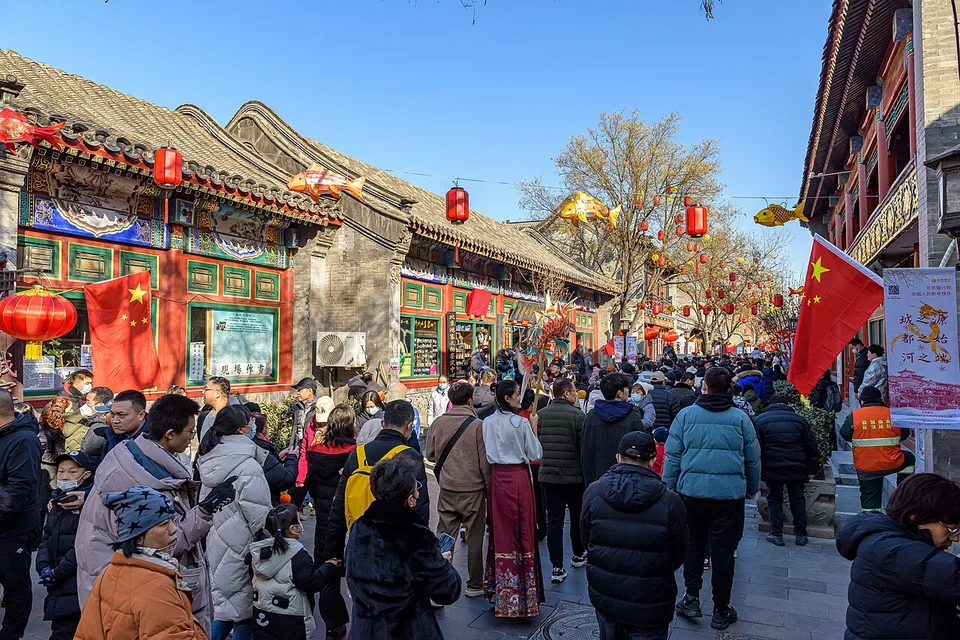
Spring Festival temple fairs
Temple fairs are a popular way for Beijingers to celebrate the Lunar New Year. Visitors can encounter folk arts such as clay sculptures, hairy monkey figurines and Peking Opera masks, alongside traditional snacks, craft demonstrations and performances. Ditan’s fair brings together opera, acrobatics, calligraphy, painting and local foods.
Beijing International Film Festival
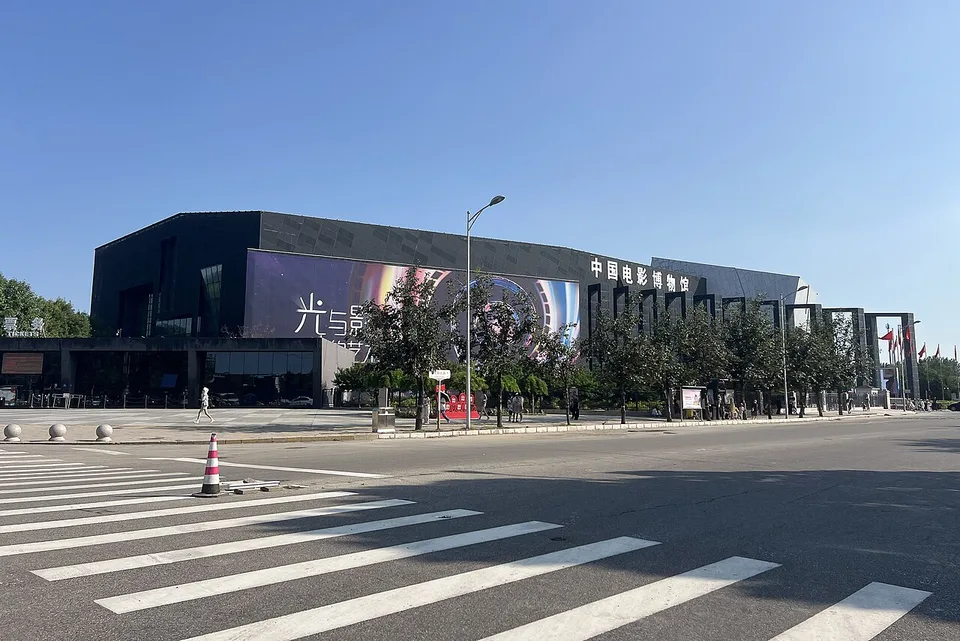
Held each April for around ten days, the Beijing International Film Festival screens films in cinemas across the city. Its programme includes the Tiantan Award competition, a section for emerging directors and the Beijing Film Panorama, with hundreds of Chinese and international films, including restored classics.
Contemporary art and design
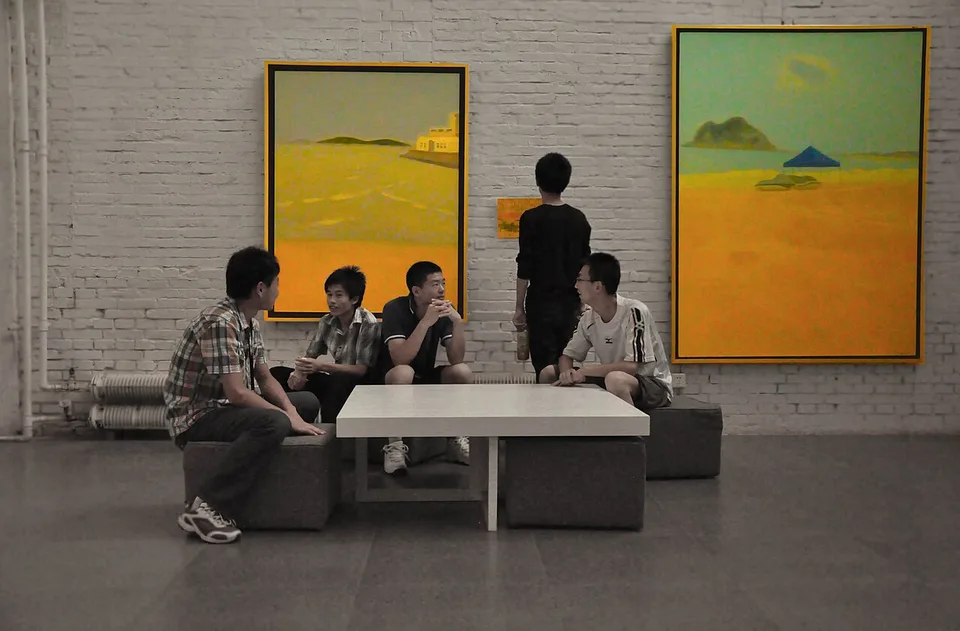
At 798 Art District, former Bauhaus-era factories house galleries, studios, design shops and cafés. Rotating exhibitions and installations make the complex a rewarding half-day visit; major museums around Beijing pair permanent collections with temporary exhibitions.
Performance, from opera to indie music
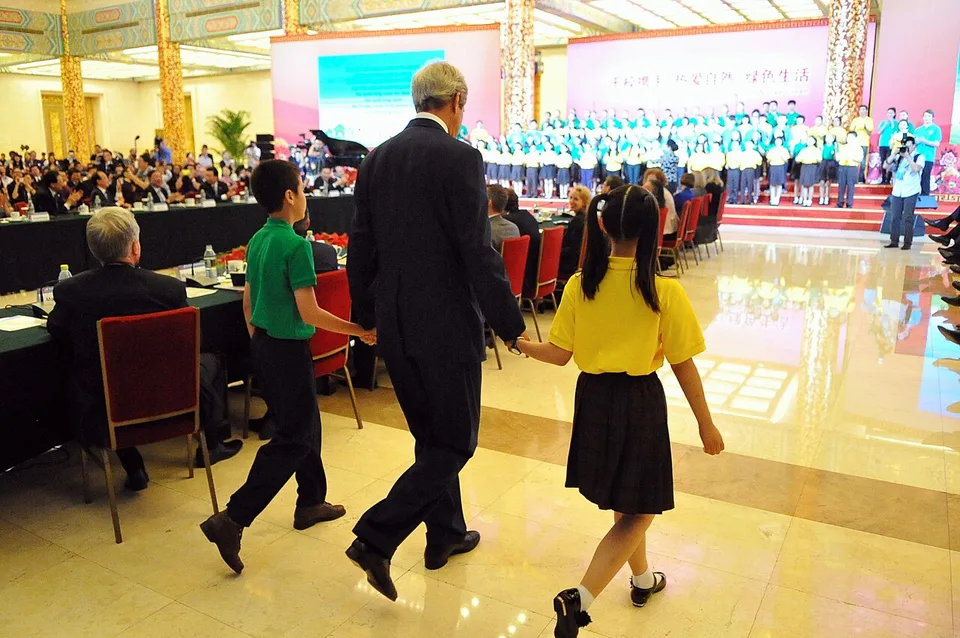
Beijing’s stages present opera, ballet, classical music, theatre and dance throughout the year. The National Centre for the Performing Arts, nicknamed “the Egg,” is a striking venue beside Tiananmen Square; theatres also stage Peking opera, while jazz clubs and rock venues around Gulou and Sanlitun offer live music.
Music festivals
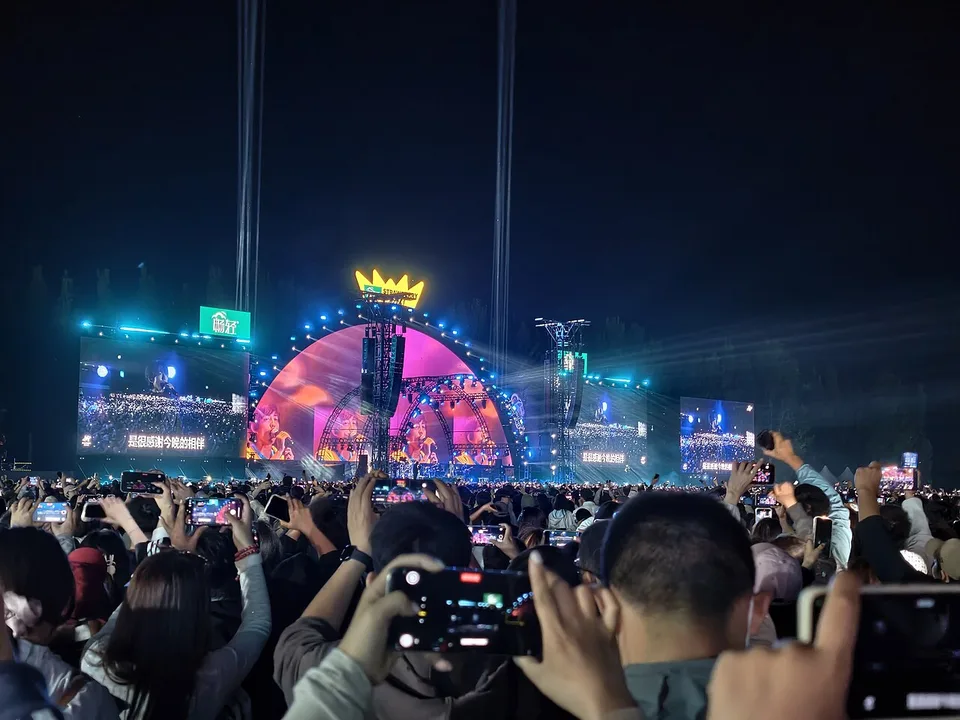
Outdoor festivals such as Strawberry and MIDI typically take place around the Labour Day holiday in early May, bringing Chinese and international pop, rock and indie acts to parks and outdoor venues. The autumn Beijing Music Festival focuses on orchestral and operatic performances in concert halls.
Getting to and around Beijing
Beijing is served by Beijing Capital International Airport (PEK), 24 km from the city, and Beijing Daxing International Airport (PKX), 46 km away. The subway covers the city, while high-speed trains link Beijing with Tianjin and other nearby destinations.
Main airports
- PKX
Beijing Daxing International Airport
191 nonstop55 international
- PEK
Beijing Capital International Airport
105 nonstop61 international
High-speed trains to Tianjin
Best for
Day trips between Beijing and Tianjin
Second-class fares from Beijing to Tianjin are CNY 38.5–66.5; fares from Tianjin to Beijing are CNY 35–54.5. First-class fares are CNY 62–108 from Beijing and CNY 45.5–108 from Tianjin.
- The journey takes 20–70 minutes.
- Trains run every 5–15 minutes; departures from Beijing run from 06:00 to 23:07, and from Tianjin from 04:41 to 22:40.
- Beijing departures include Beijing South and Beijing Railway stations; Tianjin departures include Tianjin, Tianjin West and other stations.
High-speed trains to Chengde
Best for
Trips to Chengde
Second-class tickets cost ¥80–130.
- The journey from Beijing North takes 1.5–2 hours.
Subway
Best for
Getting around central Beijing · Reaching destinations across the city
Single rides cost ¥3–¥10, depending on distance. Unlimited-ride passes cost ¥20 for one day, ¥30 for two days, ¥40 for three days, ¥70 for five days and ¥90 for seven days. Foreign contactless Visa, Mastercard, JCB and American Express cards can be tapped at subway gates.
- Single-ride fares start at ¥3 for journeys up to 6 km, then rise with distance; a 40 km trip costs ¥7.
- Same-station transfers are free except when transferring to or from the Capital Airport Express, Daxing Airport Express, Xijiao Line or Yizhuang T1 Line; a new fare is required on those lines.
City buses
Best for
Low-cost journeys around Beijing · Routes beyond the subway network
Fares are ¥2–¥4 per ride. Yikatong transport cards can be used on buses.
- Buses are slower than the subway and can be harder to navigate without Chinese.
Private car and ride-hailing
Best for
Mountain villages and other destinations outside the city · Groups splitting the cost of a car
A private driver costs ¥500–800 per day.
- Arrange a private driver through a hotel or local agency.
Yikatong transport card
Best for
Paying for subway and bus journeys · Visitors staying two or more days
The card requires a ¥20 deposit, plus the amount loaded onto it; fares are deducted automatically on the subway, buses and many taxis.
When to Go
Late April to May and mid-September to mid-October are Beijing’s most comfortable windows for sightseeing. Summer is hot and rainy; winter is cold and dry. Seasonal timing shifts from year to year.
Hot, Rainy Summer
June to August is hot and humid: July averages about 32°C by day and 23°C at night, with about 170 mm of rain. Crowds rise, and heavy rain can disrupt outdoor plans; the Great Wall is especially uncomfortable between 10am and 3pm in August.
Cold Winter and Snow
December to February is cold and dry, with sharp nights below −10°C. Snow can transform the Forbidden City, while queues at major attractions shrink and hotel prices tend to fall.
Historical climate
Compare typical monthly heat and rainfall at a glance. These long-term patterns are useful for planning, but they are not a forecast.
View monthly climate data
| Month | Temperature | Rainfall | Humidity | Wind | Wet-day frequency |
|---|---|---|---|---|---|
| January | -5.3 °CTypical range: -7.6–-3 | 1.9 mm/monthTypical range: 0–5.9 | 51.4 %Typical range: 45.5–58.6 | 3.6 m/sTypical range: 3.1–4.1 | 1.7 % of daysTypical range: 0–6.5 |
| February | -1.6 °CTypical range: -3.3–0.1 | 4.8 mm/monthTypical range: 0–10.1 | 48.2 %Typical range: 40.5–56.9 | 3.6 m/sTypical range: 3.1–4.3 | 4 % of daysTypical range: 0–10.7 |
| March | 4.9 °CTypical range: 3.1–6.5 | 8.3 mm/monthTypical range: 0.4–18.4 | 42.9 %Typical range: 32.4–51.1 | 3.8 m/sTypical range: 3.1–4.3 | 6.1 % of daysTypical range: 0–13.5 |
| April | 13.3 °CTypical range: 11.5–15.5 | 22.6 mm/monthTypical range: 5.3–45.1 | 38.4 %Typical range: 30.7–45 | 4.1 m/sTypical range: 3.7–4.6 | 13 % of daysTypical range: 3.3–23.3 |
| May | 20.3 °CTypical range: 18.9–21.6 | 39.1 mm/monthTypical range: 11.9–54.4 | 39.1 %Typical range: 32.3–45 | 3.9 m/sTypical range: 3.4–4.3 | 19.9 % of daysTypical range: 9.4–29 |
| June | 24.8 °CTypical range: 23.5–26.4 | 81.3 mm/monthTypical range: 38.6–115.9 | 50.5 %Typical range: 44.3–58.5 | 3 m/sTypical range: 2.8–3.3 | 35.2 % of daysTypical range: 20–43.3 |
| July | 26.5 °CTypical range: 25.4–28 | 164.2 mm/monthTypical range: 91.5–257.5 | 64.9 %Typical range: 55.7–74.6 | 2.6 m/sTypical range: 2.4–2.8 | 47.8 % of daysTypical range: 35.5–61.3 |
| August | 24.8 °CTypical range: 23.4–25.9 | 114.1 mm/monthTypical range: 61.9–192.2 | 67.9 %Typical range: 58.4–76.4 | 2.5 m/sTypical range: 2.3–2.7 | 39 % of daysTypical range: 29–49 |
| September | 19.5 °CTypical range: 18–20.7 | 56.7 mm/monthTypical range: 17.2–103.6 | 60.5 %Typical range: 52.3–67.1 | 2.9 m/sTypical range: 2.5–3.2 | 25.7 % of daysTypical range: 10–43.3 |
| October | 11.6 °CTypical range: 10.4–12.7 | 27.3 mm/monthTypical range: 9.1–51.1 | 56.2 %Typical range: 47.6–66.7 | 3.3 m/sTypical range: 2.8–3.6 | 12.4 % of daysTypical range: 6.5–19.4 |
| November | 2.6 °CTypical range: 0.7–4.2 | 12.6 mm/monthTypical range: 0.2–37.7 | 55.7 %Typical range: 48.4–64 | 3.2 m/sTypical range: 2.7–3.6 | 7.3 % of daysTypical range: 0–16.7 |
| December | -3.9 °CTypical range: -5.2–-2.4 | 2.1 mm/monthTypical range: 0.2–4.9 | 53.8 %Typical range: 46.7–61 | 3.6 m/sTypical range: 2.9–4.3 | 2.4 % of daysTypical range: 0–6.5 |
Baseline: 1991–2020 · Source: NASA POWER historical climate profile
Good to know in Beijing
Beijing rewards a little preparation: use mobile payment for everyday purchases, reserve major sights in advance, and take extra care in crowded tourist areas. Monday closures affect the Forbidden City and most state museums.
Nanluoguxiang is crowded at weekends; the lanes alongside it are quieter.
Popular Forbidden City ticket dates can sell out within minutes of release.
Sources (6)
Beijing costs
Beijing can suit a range of budgets, from hostel stays and street food to five-star hotels and fine dining. Daily estimates exclude international flights. Subway fares are distance-based, while major sights and accommodation add substantially to the bill.
Budget
CN¥260–350per person per day
Hostel dorms, street food, subway travel and free or inexpensive attractions keep this level lean.
Mid-range
CN¥650–1,000per person per day
Four-star hotels, a mix of local and international restaurants, taxis or DiDi, and visits to major attractions define a comfortable stay.
Luxury
CN¥1,800–2,800per person per day
Five-star international hotels, fine dining, private cars and guides, and exclusive experiences set this apart.
Typical costs
- Street-food item
- CN¥5–20per person
- Noodle or dumpling meal
- CN¥20–40per person
- Casual restaurant meal
- CN¥80–150per person
- Subway ride
- CN¥3–10per trip
- Tourist-day subway fares
- CN¥15–30per day
- Forbidden City admission (Apr–Oct)
- CN¥60per person
- Hostel dorm bed
- CN¥80–150per night
- Budget hotel room
- CN¥280–500per room per night
- Mid-range hotel room
- CN¥500–900per room per night
- Luxury hotel room
- CN¥1,500–4,000per room per night
Ways to save
- Use the subway for most journeys: rides start at ¥3 for the first 6 km, and a typical tourist day costs ¥15–¥30 in fares.
- Take the Capital Airport Express into the city for ¥25; a taxi from the airport costs ¥100–¥150.
- Choose a hostel dorm, priced at ¥80–¥150 per bed per night, instead of a private room or hotel.
- Book Forbidden City tickets through the official channel: tickets are released seven days ahead at 20:00 Beijing time, and unofficial resellers charge multiples of the listed price.
- Book early for Golden Week and Chinese New Year, when hotel prices rise.
Where to stay in Beijing
Beijing’s hotels range from central Wangfujing addresses to business-focused stays in the CBD and Sanlitun, with quieter options farther west. The picks below span comfortable city bases, design-led hotels and high-end retreats; choose by the neighbourhood and style that best fit your visit.
01
Premium
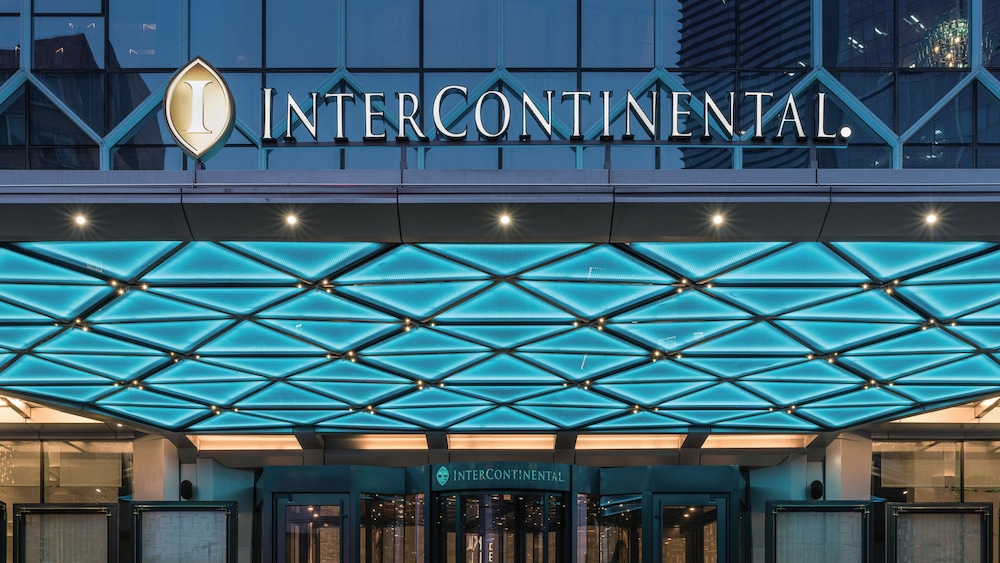
InterContinental Beijing Sanlitun in Chaoyang
A stylish Sanlitun stay · Guests drawn to modern architecture · An afternoon tea break
InterContinental Beijing Sanlitun pairs a striking glass-and-steel tower with the fashionable Sanlitun scene. A floral-themed tea bar in the lobby makes afternoon tea a natural pause in a day out.
- Why it stands out
- In Sanlitun · Glass-and-steel high-rise design · Floral-themed lobby tea bar
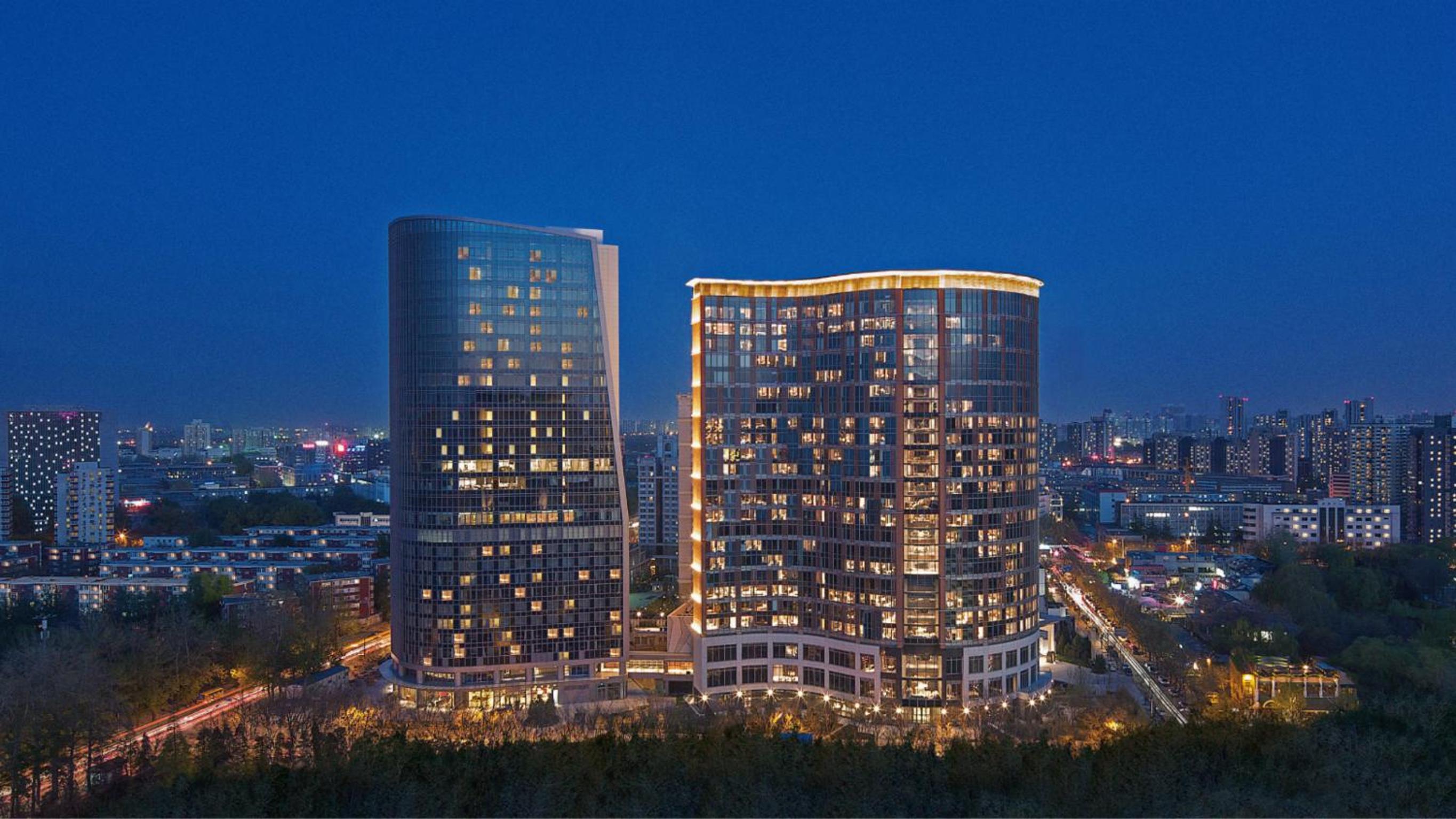
NUO Hotel Beijing in Chaoyang
Guests interested in Chinese design · Travellers seeking a quieter tea-house atmosphere
NUO Hotel Beijing brings Ming-inspired art and furnishings into contemporary rooms in Chaoyang. Its Yuan Tea House and distinctive lobby give the hotel a strong sense of place.
- Why it stands out
- Ming-inspired art and furniture · Yuan Tea House · Distinctive lobby with ceramic vases and sculpture
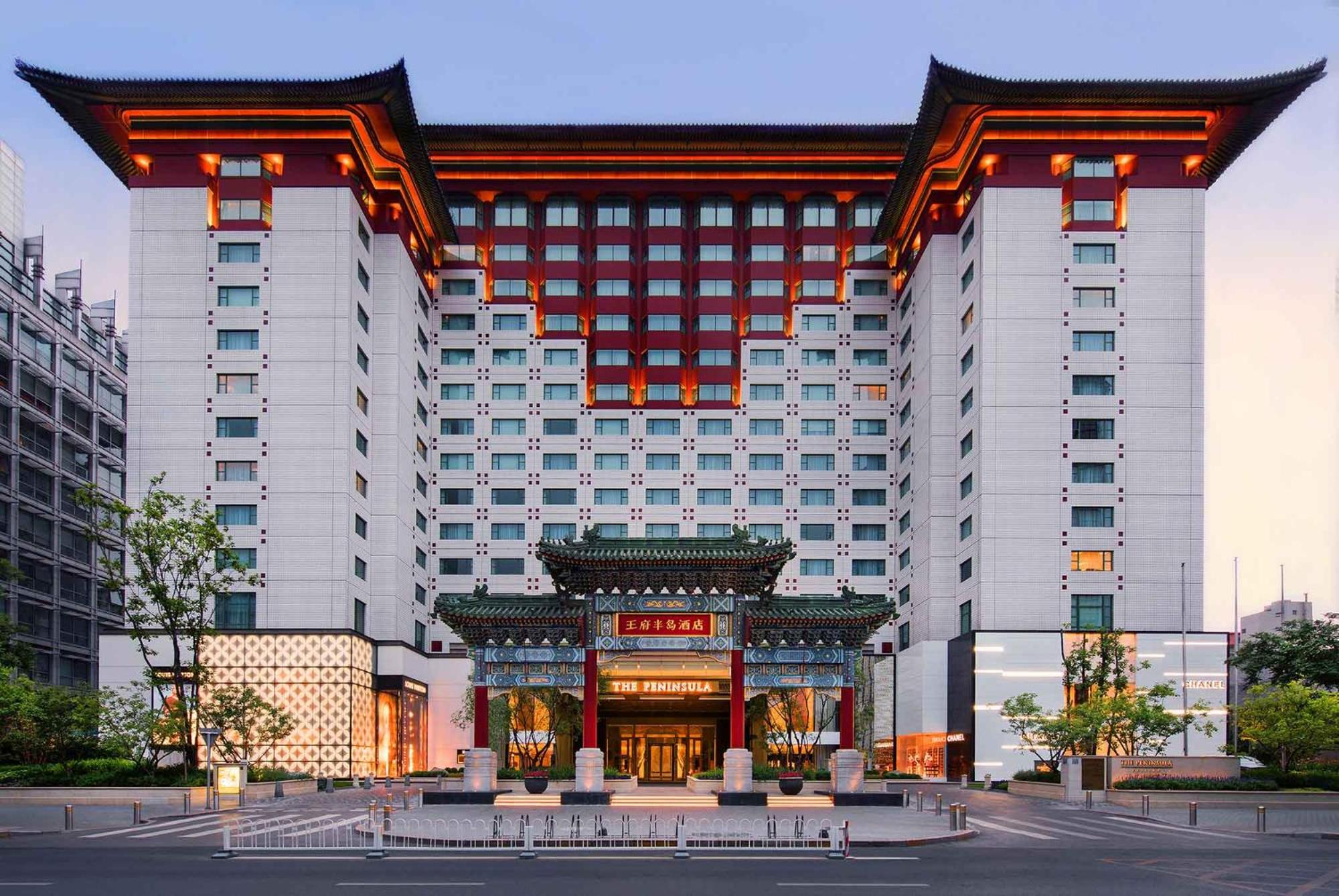
The Peninsula Beijing in Beijing
Travellers seeking attentive, high-end service · A central Dongcheng stay
The Peninsula Beijing is on Jinyu Hutong in Dongcheng. It is a polished choice for travellers seeking the high service standards associated with the Peninsula name in a central Beijing setting.
- Why it stands out
- Peninsula service standards · Jinyu Hutong address in Dongcheng
02
Mid-range
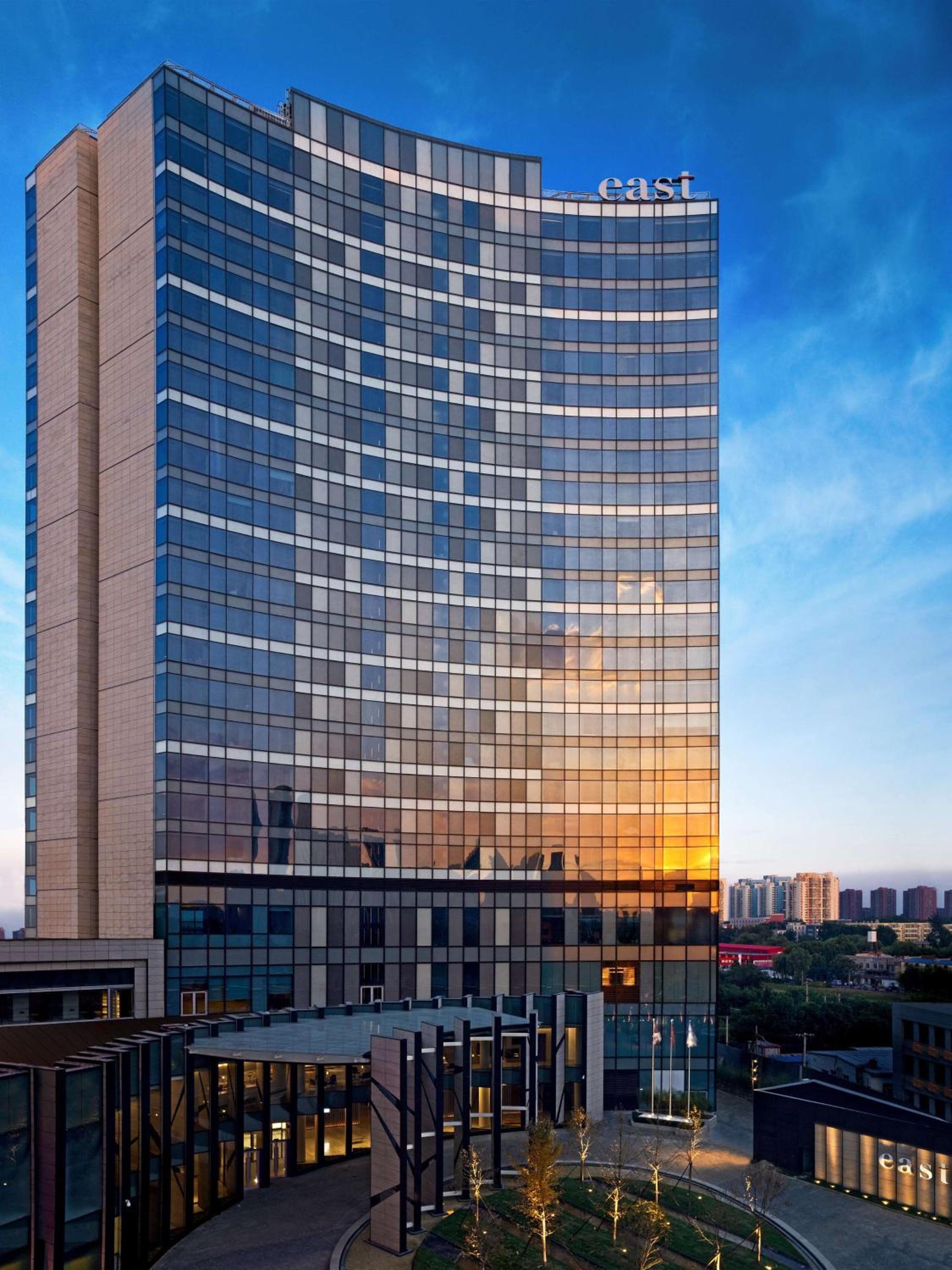
EAST Beijing in Beijing
Business travellers · Guests seeking a contemporary, technology-led hotel
EAST Beijing is a lifestyle business hotel on Jiu Xian Qiao Road. Its high-tech approach suits guests balancing work with a stay in the city’s eastern Chaoyang district.
- Why it stands out
- Business-oriented facilities with a lifestyle-hotel feel · In Chaoyang

The Opposite House
Design-conscious travellers · Guests wanting a spacious studio · Staying in Sanlitun
The Opposite House is a design-led hotel on Sanlitun Road, with guest studios designed by Kengo Kuma. More than half its studios exceed 70 square metres, making it a strong choice for travellers who value generous space and considered interiors.
- Why it stands out
- Kengo Kuma-designed studios · More than half the studios exceed 70 square metres · Three restaurants
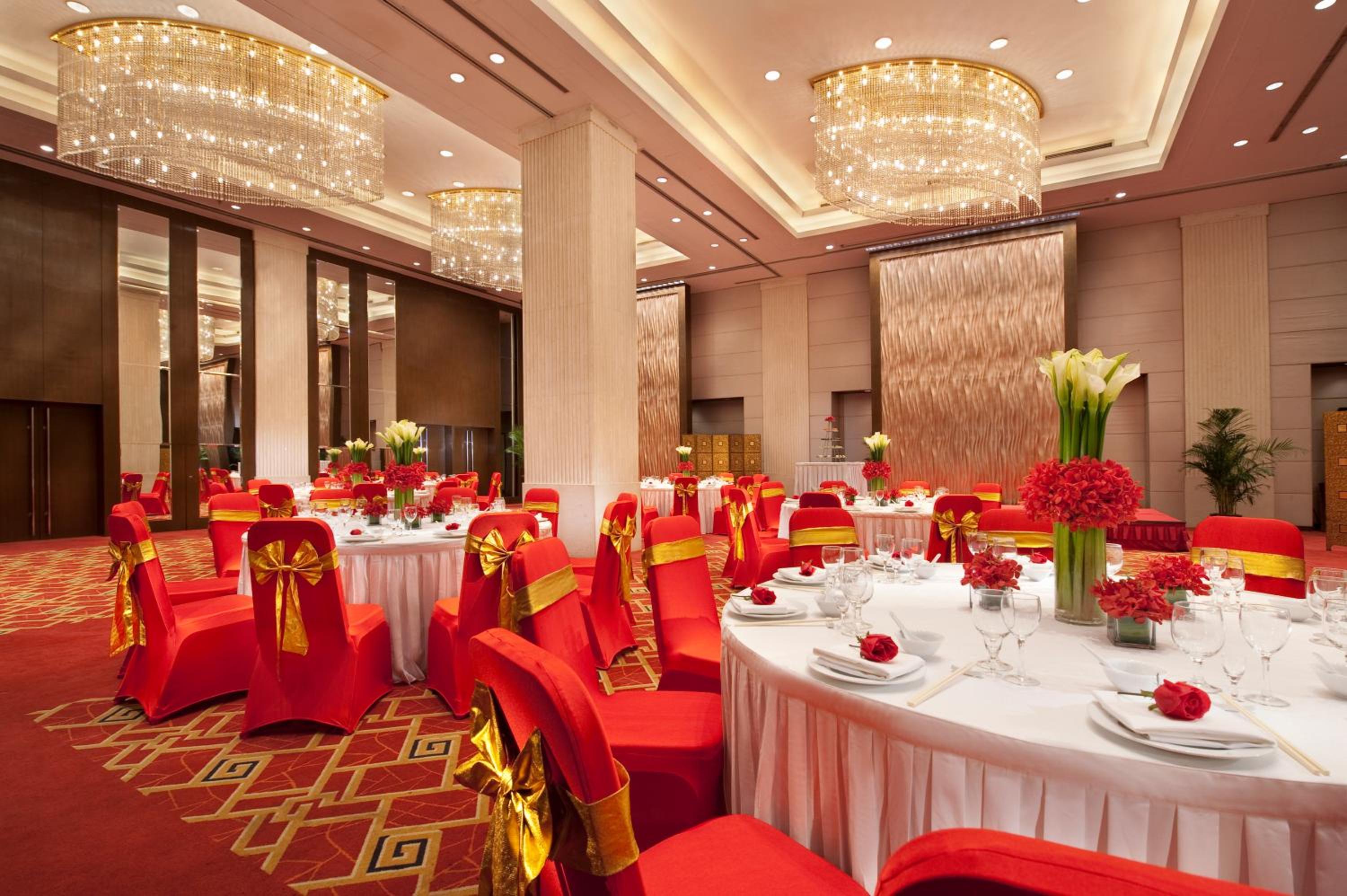
Grand Mercure Beijing Central
Staying near Xidan · Travellers who want an indoor pool
Grand Mercure Beijing Central is on Xuanwumen Nei Avenue in the Xidan commercial district. Its central-west location and heated indoor pool make it a practical city stay with a place to unwind indoors.
- Why it stands out
- In the Xidan commercial district · Heated indoor pool · Two restaurants
03
Great value
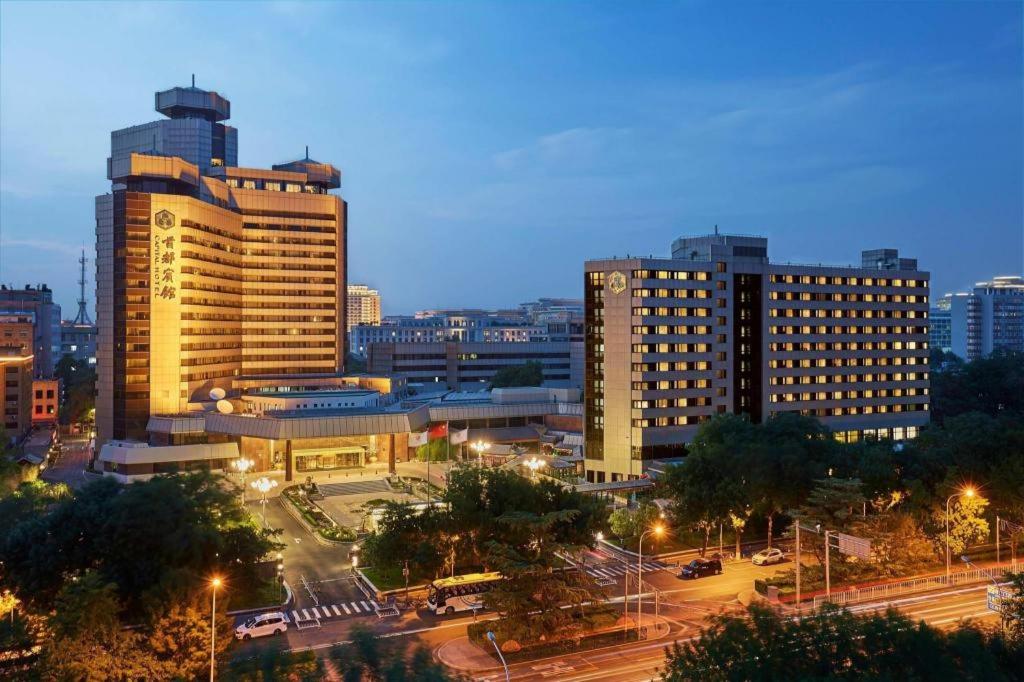
Capital Hotel
A central base for sightseeing · Travellers who value a garden
Capital Hotel is on Qianmen East Street, placing it in central Beijing near Tiananmen Square and Wangfujing Street. Its garden offers a calmer pause between visits to the city’s landmarks.
- Why it stands out
- Near Tiananmen Square and Wangfujing Street · On-site garden and restaurant
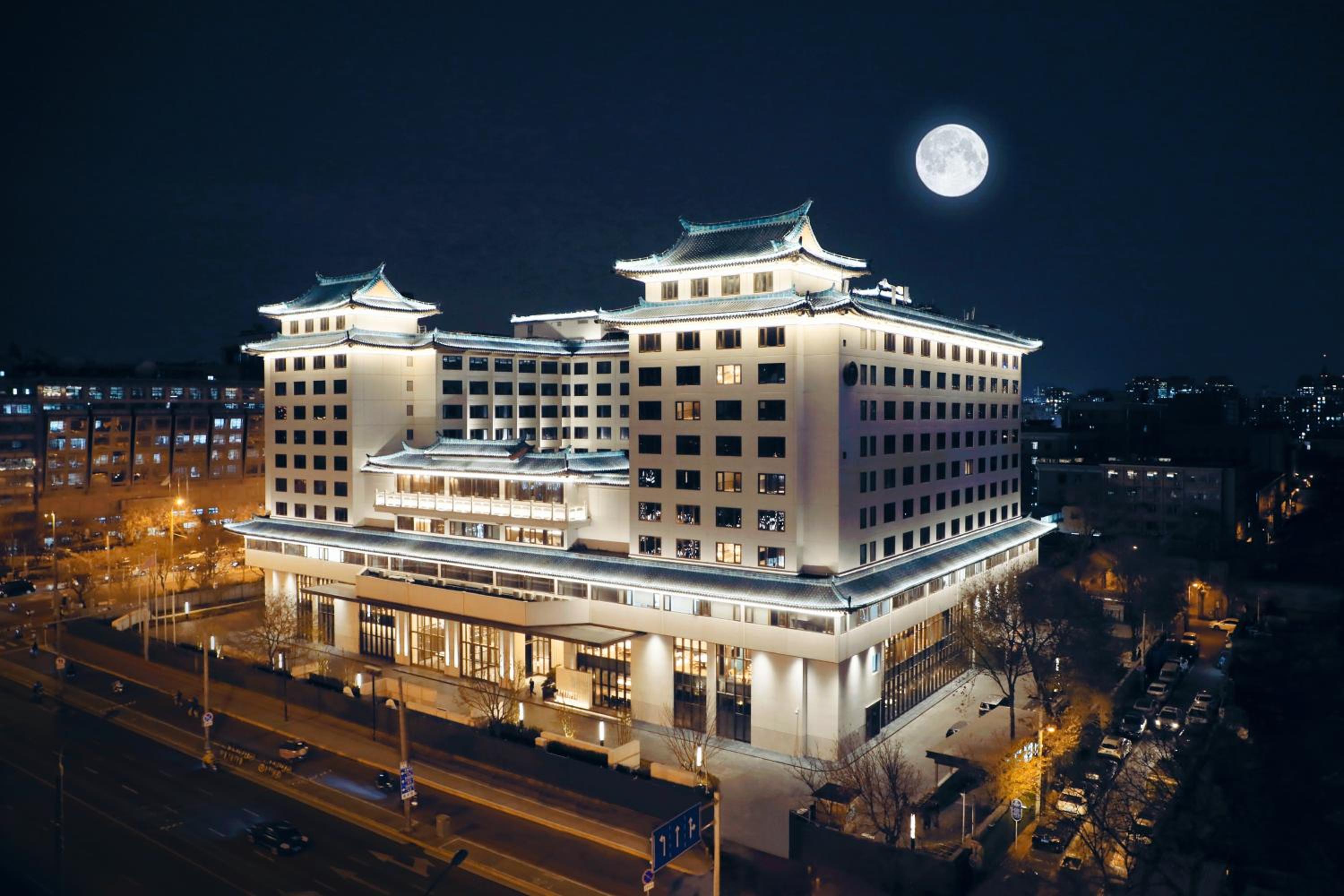
Empark Prime Hotel Beijing Wangfujing in Beijing
Staying close to Wangfujing shopping · Travellers who want several dining choices
Empark Prime Hotel Beijing Wangfujing sits on Wangfujing Main Street, in a busy shopping district. Five dining options give guests a choice of meals without leaving the hotel.
- Why it stands out
- Wangfujing Street location · Five dining options · Rooms with city views
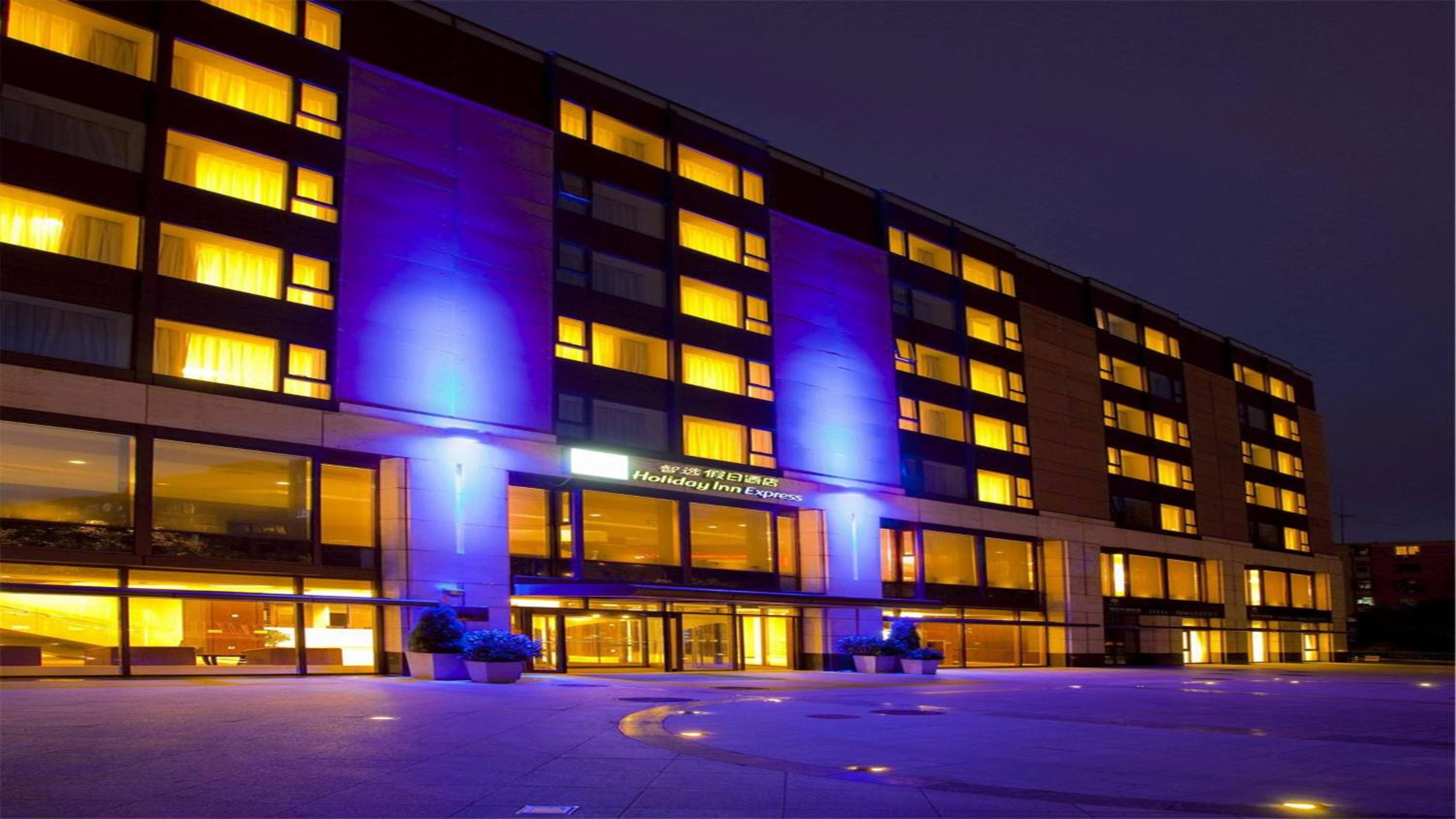
Holiday Inn Express Beijing Temple of Heaven by IHG
Travellers who want access to Line 4 · Drivers looking for complimentary parking
Holiday Inn Express Beijing Temple of Heaven by IHG is on Nan Wei Road, with Tao Ran Ting Station on Line 4 a short walk away. It offers a straightforward base south of the central sights, with complimentary parking and Wi-Fi.
- Why it stands out
- Short walk to Tao Ran Ting Station · Complimentary parking and Wi-Fi
What's on in Beijing
These event listings are due for a fresh check. Confirm dates with the organiser before booking.
On now
Jul 14 – Jan 31, 2027
December 2026
Dec 1 – Dec 6, 2026

February 2027

Feb 25 – Feb 28, 2027
April 2027
Apr 18, 2027
Apr 21 – May 2, 2027


September 2027
Sep 10 – Sep 19, 2027

Day trips from Beijing
Tianjin offers a change from imperial Beijing: explore its former treaty-port architecture, traditional food streets and Haihe riverfront. For a more demanding day, Chengde’s imperial retreat and temples make a worthwhile journey into the Qing court’s summer world.

Tianjin
high-speed train · day trip · architecture · food · families
Tianjin’s former treaty-port districts give the city a distinctive mix of European architecture, while Ancient Culture Street, the Haihe riverfront and local food make for an easy day of exploring on foot. High-speed trains from Beijing South take 30–40 minutes and run every 5–15 minutes; second class is ¥55 each way. It suits travellers seeking a contrasting city, architectural walks and street-food stops without a long rail journey.

Chengde
high-speed train · overnight or day trip · imperial history · temples · summer retreat
Chengde’s Mountain Resort is a vast imperial garden of palaces, lakes and forested hills, created as a Qing summer retreat; nearby mountain temples add another layer of imperial history. High-speed trains from Beijing take about 1½–2 hours. The scale and range of the sights reward a full day, while an overnight stay allows a less hurried visit. It suits travellers drawn to imperial history and garden landscapes.
- Outbound route
- Distance only: 114 km
- Return route
- Distance only: 114 km
- Outbound route
- Distance only: 174 km
- Return route
- Distance only: 174 km
Before you go
These are the advisories for China; anything that differs here is marked below.
Visa-free entry depends on passport and nationality
Whether you can enter China without a visa depends on your nationality and passport type. The National Immigration Administration (NIA) publishes the country lists and terms, including passport type, purpose and maximum stay. Check the NIA lists for your own passport before travelling. Visa-free entry is generally for ordinary passports and short stays for tourism, business, visits, family visits, exchanges or transit. Work, study and news reporting still need a visa.
Eligibility differs by nationality. Check the NIA country lists (en.nia.gov.cn) for the terms that apply to your passport. This advisory does not state eligibility for any single nationality.
30-day unilateral visa-free entry for listed countries
Nationals of countries on the NIA unilateral visa-free list who hold ordinary passports can enter China without a visa for business, tourism, visits to friends or family, exchanges or transit for up to 30 days. The stay is counted from 00:00 on the day after entry. The list is country-specific and was published citing China's Ministry of Foreign Affairs (page dated February 2026).
Only nationals of listed countries qualify. Check the NIA unilateral visa-free list for your country and passport type.
nia.gov.cnchecked Feb 17, 2026
240-hour visa-free transit
Holders of ordinary passports from eligible countries who hold an interline ticket with confirmed dates and itinerary to a third country or region can transit through any of 65 open ports, including Beijing and Shanghai, without a visa. They may stay in designated areas for up to 240 hours (10 days) for tourism, business, visits and family visits. From 20 August 2026, nationals of Kyrgyzstan and Vietnam were added, bringing the total to 57 countries. Work, study and news reporting still need a visa.
Eligibility differs by nationality. Check the NIA list of eligible countries for your passport.
en.nia.gov.cnnia.gov.cnnia.gov.cnchecked Aug 20, 2026
24-hour transit without a visa
Any foreigner holding a valid international travel document and a confirmed onward ticket on an international flight, ship or train can transit through any China open port without a visa for up to 24 hours. You must stay within the restricted port area. Leaving that area requires a temporary entry permit from port immigration.
This applies to all passport holders, subject to holding a valid travel document and confirmed onward ticket.
Hainan 30-day visa-free entry
Ordinary-passport holders from 61 listed countries can enter Hainan Province visa-free for up to 30 days for tourism, business, visits, family visits, medical treatment, exhibitions or sports. Work and study are excluded. Activity is limited to Hainan Province, and entry and exit are through Hainan's open ports. Kyrgyzstan and Vietnam were added effective 20 August 2026.
Only nationals of the 61 listed countries qualify. Check the NIA Hainan list for your passport.
nia.gov.cnen.nia.gov.cnchecked Aug 20, 2026
Group visa-free schemes with conditions
Some visa-free schemes apply only to organised groups: cruise tour groups of two or more people, organised by a China-registered travel agency, can enter at 13 listed cruise ports for up to 15 days within 11 coastal provinces and municipalities and Beijing. ASEAN tourist groups of two or more with ordinary passports can enter Xishuangbanna (Yunnan) and Guilin (Guangxi) visa-free for up to 6 days, entering and leaving as a group. Hong Kong and Macau group schemes also apply. Do not assume you qualify unless you meet every condition.
Group schemes depend on nationality (ASEAN, and for Hong Kong and Macau groups, countries with diplomatic ties with China). Check the NIA lists for your passport.
Beijing: practical questions
Beijing’s distances, seasonal weather and booking rules shape a visit as much as its imperial sights. These answers cover local transport, key reservations, day trips and the best times to explore.
Sources (10)
- Day Trips from Beijing: Complete 2026 Guide
- Getting to the Great Wall from Beijing — GreatWallVisit
- Beijing Subway - Wikipedia
- How to Pay in Beijing: Alipay, Cards, Cash and Getting Online
- Beijing Itinerary: Day-by-Day Plans From 1 to 10 Days
- 5 Days in Beijing Itinerary: The Core Four, Plus One
- Beijing International Film Festival & Cultural Events - Beijing Tourism Guide
- Which Attractions in Beijing Still Require Reservations?
- Beijing Travel Guide 2026: Complete Planning Resource
- Beijing Travel Guide 2026: How Many Days, Where to Stay
Explore Beijing and nearby areas
Showing 16 of 16
- DistrictXicheng District686 places
- DistrictChaoyang District619 places
- DistrictDongcheng District449 places
- DistrictHaidian District167 places
- DistrictFengtai District84 places
- DistrictChangping District71 places
- DistrictDaxing District57 places
- DistrictShunyi District48 places
- DistrictHuairou District45 places
- DistrictTongzhou District40 places
- DistrictYanqing District36 places
- DistrictShijingshan District20 places
- DistrictFangshan District20 places
- DistrictMentougou District19 places
- DistrictMiyun District12 places
- DistrictPinggu District8 places
Beijing on social media